 Save to Pinterest
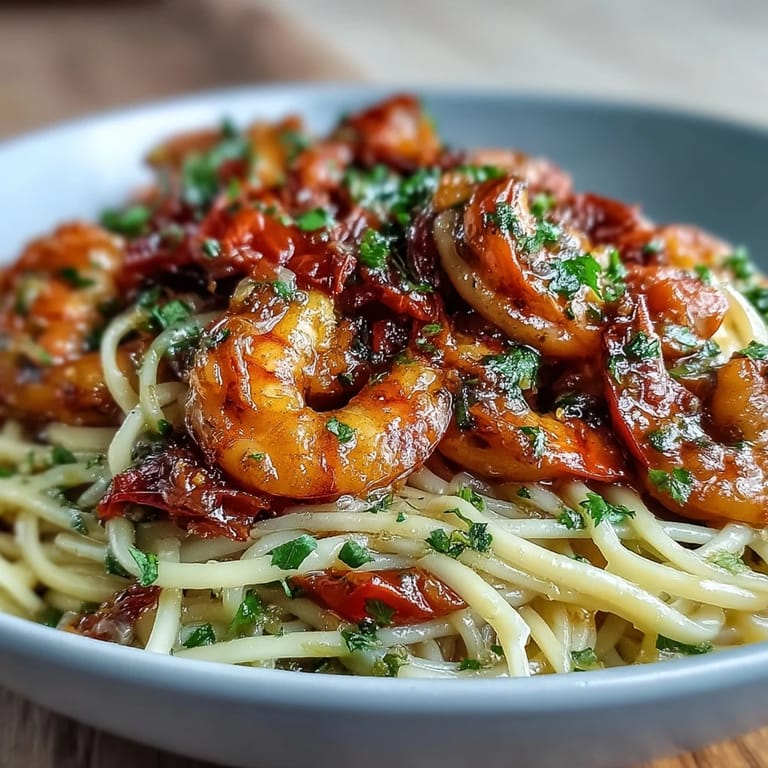
 There's something about cooking shrimp and pasta together in one pot that feels like you're shortcutting your way into something fancy. I discovered this dish on an unusually warm April evening when I had exactly one pan, half a bottle of white wine, and the kind of hunger that doesn't wait for complicated recipes. The kitchen filled with garlic and lemon steam so quickly that my roommate wandered in asking what smelled so good, and ten minutes later we were both twirling noodles and popping sweet shrimp into our mouths straight from the skillet.
I made this for a friend who claimed she couldn't cook seafood because she was convinced she'd always overcook it. Watching her face light up when the shrimp turned pink and she realized it actually wasn't hard felt like handing her a small superpower. She's made it three times since, each time with a different vegetable, and she texts me photos like she's discovered something nobody else knows about.
Ingredients
- Large shrimp (1 lb, peeled and deveined): The size matters here because jumbo shrimp stay meaty and don't disappear into the pasta, but whatever you can find at your market works fine if it's fresh or properly thawed.
- Angel hair pasta (12 oz): This thin pasta drinks up the broth like it was made for this sauce, cooks in minutes, and doesn't need a separate pot.
- Cherry tomatoes (1 cup, halved): Their natural sweetness balances the lemon's punch, and they almost melt into the broth while keeping their shape.
- Snap peas (1 cup, trimmed): These stay crisp even after cooking and add a fresh crunch that makes every bite interesting.
- Baby spinach (1 cup): Stirred in at the end so it wilts gently without becoming bitter, adding iron and a hint of earthiness.
- Small zucchini (1, sliced): Tender slices absorb the garlic and lemon flavors while adding substance without heaviness.
- Fresh parsley and green onions: These are what make the dish taste alive and spring-like, so don't skip them or substitute dried herbs.
- Garlic (4 cloves, minced): The foundation of everything good here, and mincing it fine means it blooms into the olive oil instead of sitting in chunks.
- Extra virgin olive oil (1/4 cup): This isn't the time to use the cheap stuff because the oil becomes part of the sauce, not just cooking medium.
- Lemon zest and juice: The zest gives brightness while the juice ties all the flavors together, so use a fresh lemon and feel the difference.
- Dry white wine (1/2 cup) or vegetable broth: The wine adds a subtle complexity, but broth works if you don't have wine open or prefer to skip the alcohol.
- Chicken or vegetable broth (3 cups): This becomes the liquid that cooks the pasta, so low-sodium means you control the salt and can taste everything clearly.
- Red pepper flakes (1/2 tsp, optional): A tiny pinch adds warmth without heat, but honestly it's optional if you prefer keeping things mild.
- Salt and black pepper: Taste as you go because broth brands vary in saltiness, and you want to season at the end once everything comes together.
- Parmesan cheese (optional) and lemon wedges: The cheese adds richness if you want it, and lemon wedges let everyone adjust the tartness to their taste at the table.
Tired of Takeout? 🥡
Get 10 meals you can make faster than delivery arrives. Seriously.
One email. No spam. Unsubscribe anytime.
Instructions
- Warm your pan and bloom the garlic:
- Heat olive oil in your largest skillet over medium heat until it shimmers slightly, then add minced garlic and red pepper flakes. You'll know it's ready when the kitchen smells like garlic and your mouth starts watering, usually about 1 minute.
- Build flavor with fresh vegetables:
- Toss in cherry tomatoes, snap peas, and zucchini, stirring occasionally for 2 to 3 minutes until they start to soften at the edges but still feel firm. This cooking time awakens their natural sweetness.
- Deglaze with wine and add your liquid:
- Pour in white wine and let it bubble and reduce for a minute, then add the broth along with lemon zest and juice. This mixture becomes your pasta cooking liquid, infusing each strand with flavor.
- Nestle the pasta into the broth:
- Break the angel hair pasta in half and stir it into the simmering broth, making sure strands are submerged. Cover the pan and stir every minute or so for 3 to 4 minutes until the pasta is almost tender but still has a tiny bit of resistance.
- Add the shrimp at the perfect moment:
- Spread the shrimp evenly across the top of the pasta, cover, and cook for 2 to 3 minutes until they turn pink and opaque. Don't walk away during this step because overcooked shrimp becomes rubbery fast.
- Finish with fresh greens and herbs:
- Remove from heat and fold in baby spinach, green onions, and fresh parsley, letting the residual heat wilt them gently into the dish. Taste and adjust salt and pepper until it makes you smile.
 Save to Pinterest
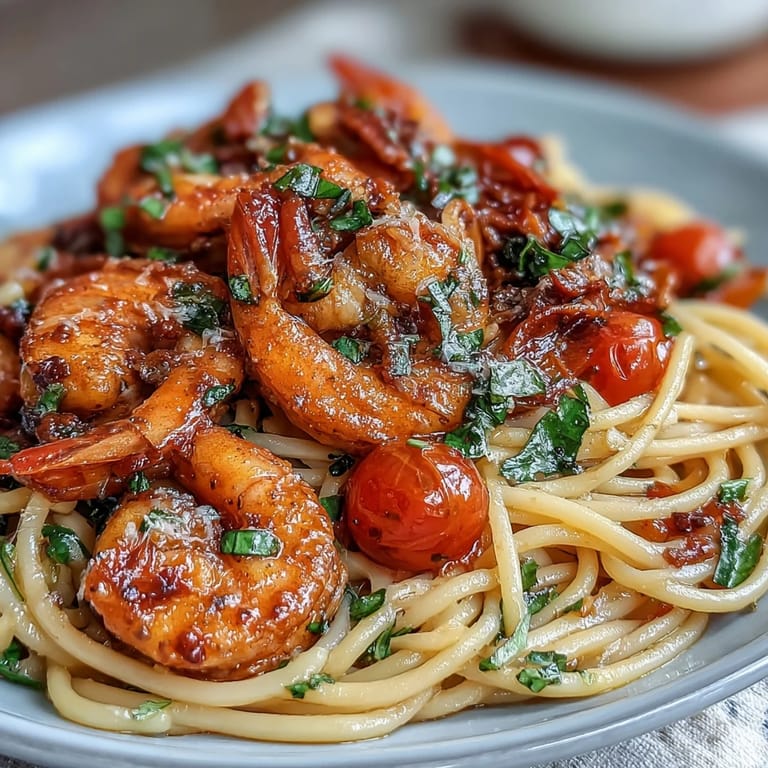
 There's a moment in this recipe where spinach wilts into the broth and the whole dish transforms from golden and garlicky into something that looks like spring itself. My sister ate this once and said it made her feel like she was eating a restaurant dish without the guilt of paying too much, which is exactly the feeling I was chasing when I invented it.
Timing and Rhythm
The secret to this dish is understanding that everything finishes at the same moment if you stick to the timing, which is kind of the whole point. I've learned that cooking shrimp and pasta together actually works because they both need roughly the same amount of time, so you're not standing there waiting for one thing while another one overcooks. If your pasta looks almost done but not quite, the shrimp will finish it off perfectly while they cook, which is a small kitchen miracle I wish everyone knew about.
Substitutions and Variations
This recipe is genuinely flexible because the technique matters more than the exact vegetables you use. I've made it with asparagus instead of snap peas, with sun-dried tomatoes when cherry tomatoes were out of season, and once even with fresh corn kernels because that's what I had. The lemon and garlic base stays the same, so you can dress up whatever vegetables are calling to you from your produce drawer and it will still taste like spring on a plate.
- Swap snap peas for asparagus, fresh corn, or thin green beans depending on what's at the market.
- Use gluten-free pasta if you need to, cooking it for the exact same time as regular angel hair.
- Skip the Parmesan entirely if you're keeping things dairy-free, and the lemon and herbs do enough heavy lifting to make it taste complete.
Wine Pairing and Serving
Serve this immediately after finishing because the pasta continues absorbing liquid and the shrimp is best enjoyed at its hottest and most tender. A chilled glass of Sauvignon Blanc or Pinot Grigio alongside makes everything taste brighter, and honestly the wine in the pan and the wine in your glass together make you feel like you're treating yourself even though you made this in 30 minutes. Lemon wedges at the table let everyone adjust the tartness to their taste, which sounds small but actually matters because some people love extra brightness and others prefer letting the garlic shine.
 Save to Pinterest
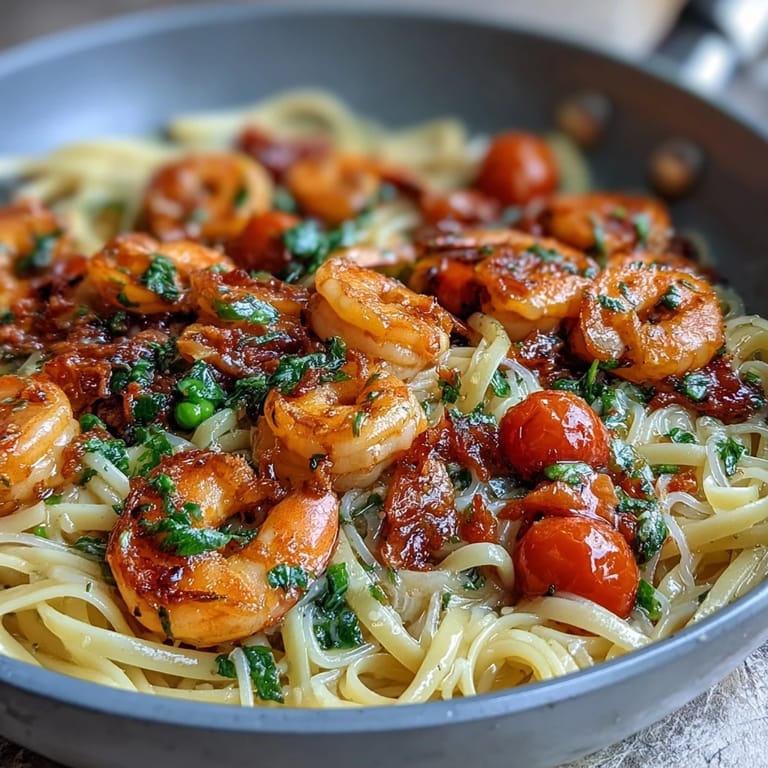
 This is the kind of dish that makes weeknight cooking feel special without asking for much in return. Serve it straight from the skillet if you want, pour everything into bowls while it's still steaming hot, and watch people clean their plates while honestly asking for seconds.
Questions & Answers
- → Can I substitute the angel hair pasta with gluten-free pasta?
Yes, gluten-free angel hair pasta works well and maintains the delicate texture of the dish.
- → What can I use instead of white wine in the sauce?
Vegetable broth is a great alternative that keeps the sauce flavorful without alcohol.
- → How do I know when the shrimp is perfectly cooked?
Cook shrimp until they turn pink and opaque, usually about 2-3 minutes, ensuring they stay tender.
- → Can I add other vegetables to this preparation?
Absolutely, asparagus or other spring vegetables can be substituted or added to enhance freshness and variety.
- → Is Parmesan cheese necessary for the flavor?
Parmesan adds a savory touch but can be omitted for a dairy-free option without losing the dish’s essence.