 Save to Pinterest
 My neighbor showed up one Saturday morning with a box of Brazilian guava paste she'd brought back from a trip, insisting I do something interesting with it. I found myself staring at this deep red block of fruit, wondering if I could trap that tropical sweetness inside something crispy and buttery. Three hours later, my kitchen smelled like caramelized guava and toasted butter, and I'd accidentally created something that made my coffee taste even better than usual.
I brought these to a beach day last summer, and watching people's faces when they bit into the guava filling made me realize food has this weird power to transport you somewhere else. My friend Sarah closed her eyes and said it tasted like a vacation she'd never taken, which might be the best compliment a pastry can get.
Ingredients
- All-purpose flour: The foundation of your flaky pastry, and it's important to measure by weight if you can because kitchen humidity plays tricks with volume measurements.
- Cold unsalted butter: Those little cubes are what create all those delicate layers, so don't skip the chilling step or your pastry will turn into a dense cookie instead.
- Ice-cold water: Add it slowly because you're looking for a dough that just barely holds together, not one that's been overworked into submission.
- Guava paste: This is where the magic happens; the thick, jammy kind works better than runny jams because it won't leak everywhere during baking.
- Cream cheese: The sweet counterpart to guava's tartness, and softening it first makes the filling smooth and spreadable.
- Powdered sugar: You'll use this in both the filling and the glaze, so buy a little extra.
- Egg wash: One beaten egg seals and glazes everything to that beautiful golden finish.
Tired of Takeout? 🥡
Get 10 meals you can make faster than delivery arrives. Seriously.
One email. No spam. Unsubscribe anytime.
Instructions
- Make your pastry base:
- Whisk together flour, sugar, and salt in a bowl, then add those cold butter cubes and work them in with a pastry blender or your fingertips until everything looks like coarse sand. Gradually add ice water while stirring gently until the dough barely comes together.
- Chill and rest:
- Divide the dough in half, flatten each into a disk, wrap in plastic, and refrigerate for 30 minutes; this time in the cold is what makes your pastry actually flaky instead of just buttery.
- Prepare the filling:
- Beat softened cream cheese with powdered sugar and vanilla until it's smooth and slightly fluffy, creating that cloud-like texture that pairs perfectly with the fruit paste.
- Roll and cut:
- On a lightly floured surface, roll one dough disk thin (about 1/8-inch), then cut into 8 rectangles roughly 3 by 4 inches; this size is ideal for holding a good amount of filling without bursting.
- Assemble with care:
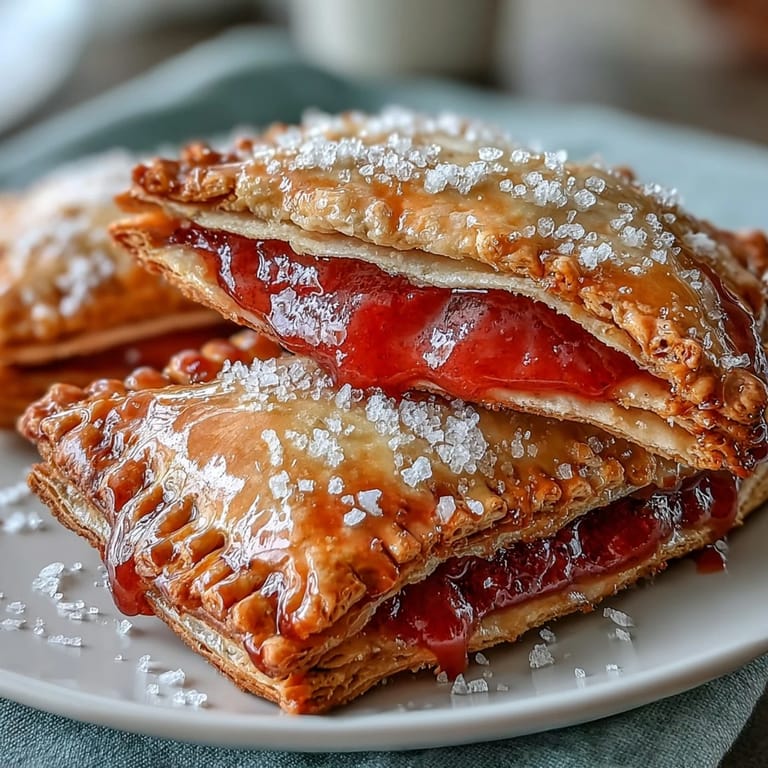
- Spoon a teaspoon of guava paste and a teaspoon of the cream cheese mixture into the center of half your rectangles, leaving a small border so the egg wash can seal them properly. Brush those borders with beaten egg, top with the remaining rectangles, press the edges firmly, and crimp with a fork for both sealing and decoration.
- Second chill:
- Transfer your assembled pop tarts to a parchment-lined baking sheet and chill for 10 minutes; this prevents them from puffing up unevenly or leaking during baking.
- Bake to golden:
- After preheating your oven to 375°F, brush the tops with more egg wash and prick them gently with a fork to let steam escape, then bake 22 to 25 minutes until they're a deep golden brown. You'll know they're done when the edges look almost caramelized.
- Glaze with finesse:
- Once completely cooled, mix powdered sugar with milk and vanilla until it reaches a drizzle consistency, add a bit of food coloring if you want that bakery look, and spread or drizzle it over each pop tart. Let the glaze set for a few minutes before eating so it firms up slightly.
 Save to Pinterest
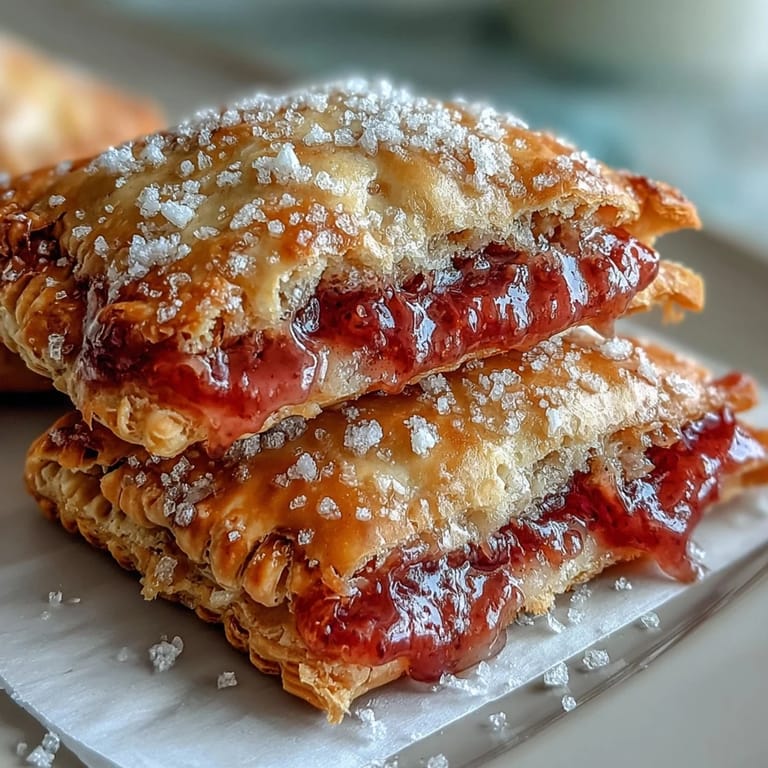
 There's something satisfying about biting into a pastry you made from scratch and having that flaky exterior give way to something sweet and creamy inside. It's a small victory that tastes way better than it should.
The Guava Paste Question
Guava paste comes in different textures and sweetness levels depending on where you source it, so taste yours before committing the whole batch. I've found that the dense blocks from Latin grocery stores work better than some jams because they stay in place and won't weep into your pastry.
Why Temperature Matters
Every single cold ingredient in this recipe serves a purpose: cold butter creates steam pockets that become flaky layers, ice water keeps the dough tender, and chilling prevents the filling from melting through the pastry before it sets. Baking is actually a lot more forgiving once you understand the why behind each step.
Making Them Your Own
Once you've nailed the basic guava version, you can swap in strawberry jam, apricot, or even a dulce de leche filling if you're feeling adventurous. The structure stays the same, but each variation feels completely different.
- For extra crunch, sprinkle coarse sugar over the egg wash right before baking so it crystalizes on top.
- Store these in an airtight container for up to three days, though they're honestly best eaten within 24 hours when the pastry is at its crispiest.
- If you want to make them ahead, you can freeze the assembled pop tarts before baking and add a few minutes to the bake time when you're ready to eat.
 Save to Pinterest
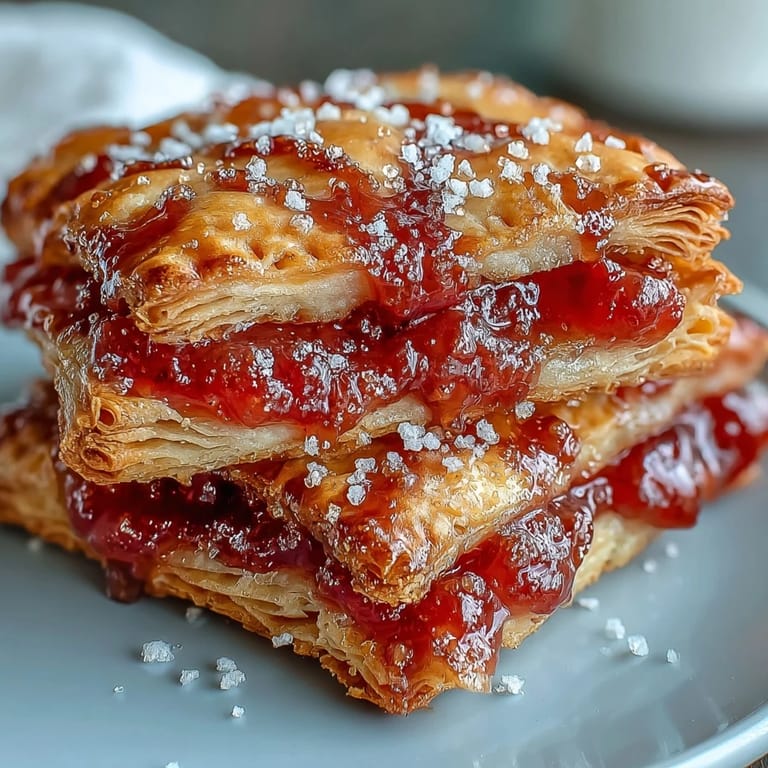
 These pop tarts prove that homemade breakfast pastries aren't intimidating once you understand the fundamentals, and they're the kind of treat that makes an ordinary morning feel intentional. Make a batch for yourself, share them with someone, and watch how quickly they disappear.
Questions & Answers
- → Can I use fresh guava instead of paste?
Fresh guava doesn't work well as it releases too much moisture during baking. Guava paste or thick jam provides the concentrated flavor and proper consistency needed for the filling.
- → How should I store these pastries?
Keep in an airtight container at room temperature for up to 3 days. For longer storage, freeze unglazed pastries in a freezer-safe bag for up to 2 months and reheat before glazing.
- → Can I make the dough ahead of time?
Absolutely. Prepare the dough, wrap it tightly in plastic, and refrigerate for up to 2 days or freeze for up to 3 months. Thaw overnight in the refrigerator before rolling and filling.
- → What other fruit fillings work well?
Strawberry, apricot, mango, or pineapple jam/paste all pair beautifully with cream cheese. Choose thick, concentrated fruit products to prevent soggy pastries.
- → Why chill the filled pastries before baking?
Chilling helps the butter in the dough firm up, which creates flakier layers during baking. It also prevents the filling from leaking out and helps maintain the pastry shape.
- → Can I make these without eggs?
Use milk or cream wash instead of egg wash for brushing the tops. For the dough, substitute cold water mixed with 1 tablespoon vinegar or lemon juice to help maintain flakiness.