 Save to Pinterest
 The scent of oranges filled my kitchen the first time I baked this whole orange cake, so lively it made a gray afternoon instantly cheerful. I remember marveling at the simplicity: tossing an entire orange into the blender, peel and all, and watching it transform into a golden, aromatic batter. My hands lingered with citrusy oils after prepping the fruit, and my curiosity grew as I peeked through the oven door. What emerged was a cake so moist and fragrant, slicing it felt like opening a sunlit window. It was a delicious lesson in how minimal effort can yield vibrant, memorable results.
I once baked this cake for friends during a midweek get-together, the kind where nobody expected dessert but everyone hoped for something warming after dinner. While the cake cooled, we hovered, catching whiffs of orange peel and caramelized sugar, and couldn't resist sneaking the first slice while it was still a little warm. Laughter spilled as we dusted powdered sugar over uneven slices, and not a crumb was left by the time we finished the pot of tea. That night, it proved itself as the kind of treat you make just because you can—no special occasion needed.
Ingredients
- 1 large seedless orange (organic): Using the whole fruit—peel, pith, and flesh—provides intense orange flavor, and I find organic is worth it for peace of mind.
- 3 large eggs: Room temperature eggs blend more smoothly, giving your cake a tender crumb.
- 150 ml vegetable oil: Neutral oils like sunflower or canola keep the crumb moist without overpowering the citrus notes.
- 1 tsp vanilla extract: Adds warmth and rounds out the citrus so it’s never sharp.
- 250 g granulated sugar: The right level of sweetness balances the tang of the orange.
- 250 g all-purpose flour: Measure carefully lest the cake get dense; a scale makes this foolproof.
- 2 tsp baking powder: For lift and that fluffy, airy texture you want in a good cake.
- 1/2 tsp salt: Just enough to brighten and emphasize the orange essence.
- Powdered sugar, for dusting (optional): Adds a snowy finish and a touch of extra sweetness—if you feel fancy.
Tired of Takeout? 🥡
Get 10 meals you can make faster than delivery arrives. Seriously.
One email. No spam. Unsubscribe anytime.
Instructions
- Get Ready to Bake:
- Preheat your oven to 350°F (175°C) and slide a sheet of parchment into a greased 9-inch round pan. That little paper makes the cake pop right out, no sticking dramas.
- Blend the Wet Magic:
- Quarter your washed orange and plop it into the blender (peel on), then add eggs, oil, and the vanilla. Blend until the mix is smooth and zingy, and you can see no more big orange bits.
- Mix the Dry Ingredients:
- Whisk sugar, flour, baking powder, and salt in a big bowl until streak-free—it gets rid of any sneaky lumps.
- Combine and Fold:
- Pour the orange puree into your dry ingredients and gently fold together—stop as soon as you see nothing but batter, so your cake stays plush.
- Into the Pan:
- Spread the batter evenly into your pan and smooth the surface with a spatula, savoring that citrus burst every time you move the batter.
- Bake to Perfection:
- Bake 45–50 minutes, until the top is golden and a toothpick comes out clean. The kitchen will smell like you zested a dozen oranges.
- Cool and Finish:
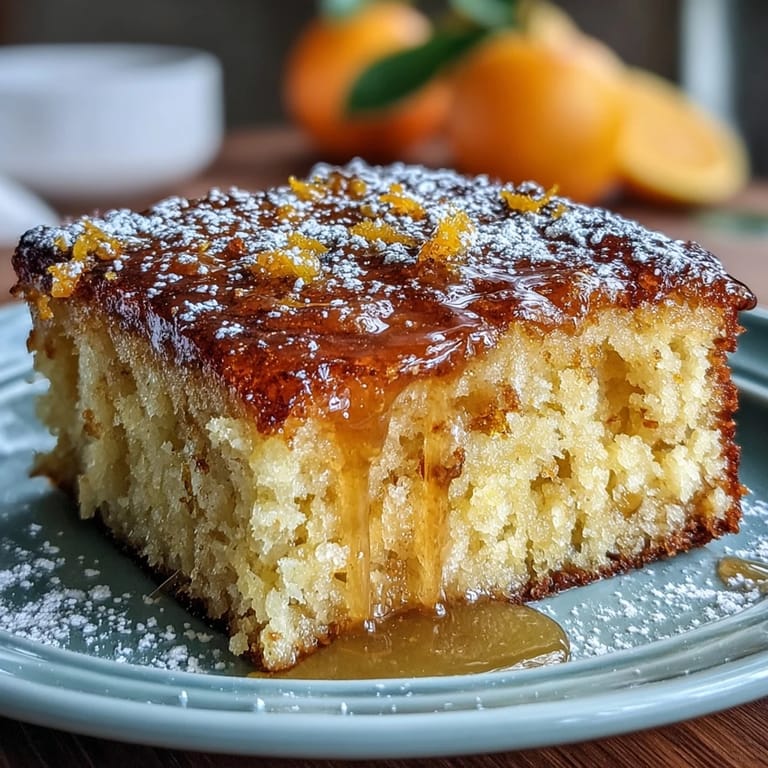
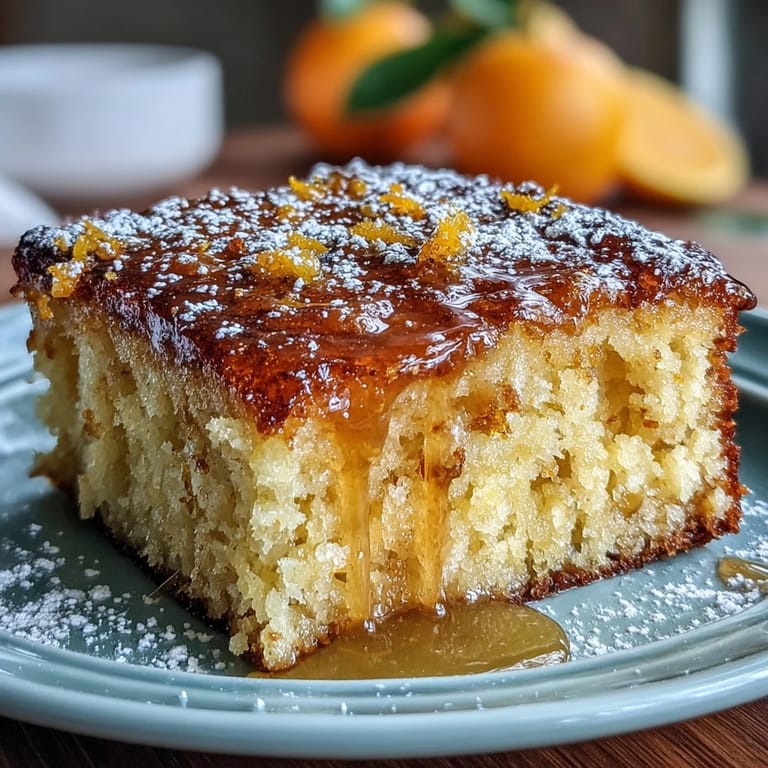
- Let the cake rest in its pan for 10 minutes, then turn it onto a rack. Once it’s cool, snow it with powdered sugar and marvel at your handiwork.
 Save to Pinterest
  Save to Pinterest
 This cake took on new meaning when I made it for my partner to celebrate a long run on a sleepy Sunday. Halfway through our first bites, crumbs everywhere, we congratulated ourselves more for the cake than the athleticism. Suddenly, the cake was less about the recipe and more about marking any small victory, however ordinary. That memory lingers every time I pull out the blender.
Choosing Your Orange Matters
Organic oranges are truly worth seeking out, since you’re using the entire peel—no one wants a hint of bitter spray in their dessert. Navel or Cara Cara oranges are both reliable for their lack of seeds and sweet, juicy profiles. Wash and dry thoroughly, and if there’s any hard nub or label left, don’t forget to remove it before blending. The fresher your orange, the brighter the aroma you’ll notice as the batter whirs.
Keeping the Cake Tender
Folding the blended mixture into the dry ingredients is a little moment of zen—don’t rush. I’ve learned that gentle mixing right up to the point where streaks just disappear gives you that plush, cloudlike crumb. Resist the urge to stir one more time; think of it as coaxing, not commanding, the ingredients together.
When to Serve and How to Dress It Up
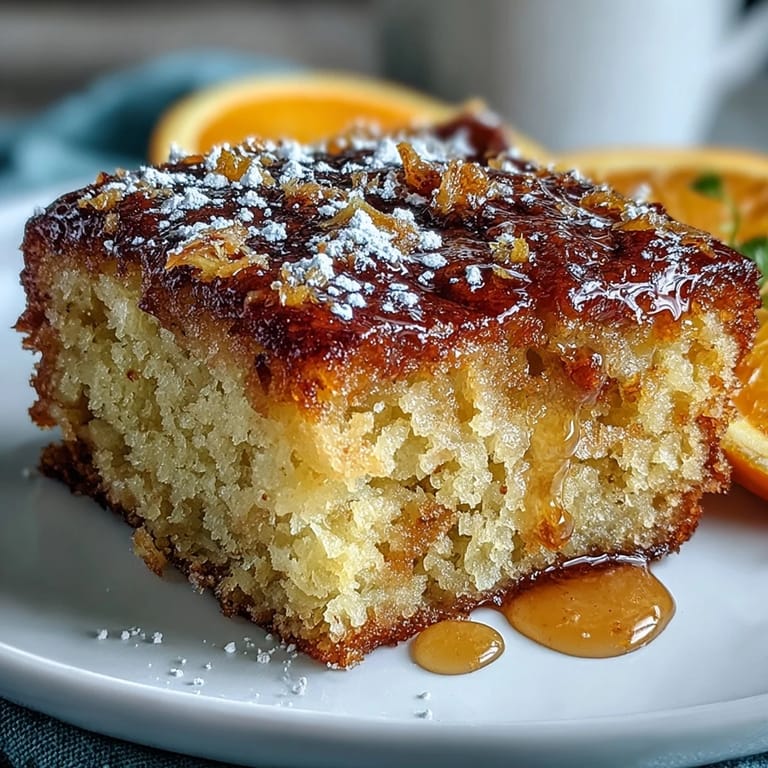
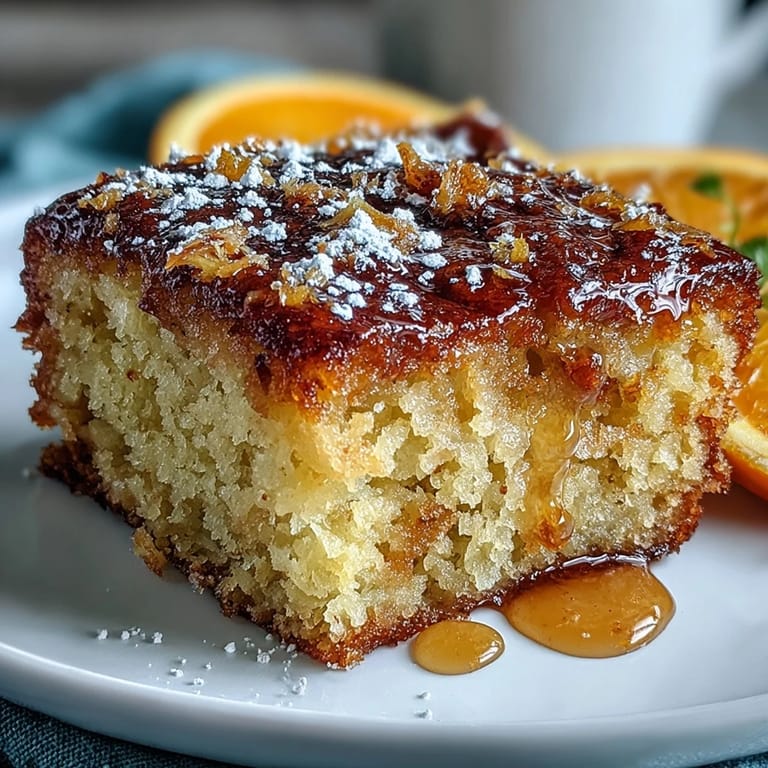
This cake shines as both a mid-morning snack and a fuss-free dessert at dinner parties. If you want to dress it up, a dusting of powdered sugar always looks elegant, but a dollop of whipped cream or scoop of vanilla ice cream transforms it entirely. On summer afternoons, I’ve even split it and layered with mascarpone for a fresh take.
- If your orange is extra juicy, the batter might seem thin—trust the process, it works out beautifully.
- Leftovers keep well wrapped at room temperature for several days.
- Remember, it’s even better the next day as the citrus flavors deepen.
 Save to Pinterest
  Save to Pinterest
 May this orange cake bring a burst of sunshine to your table, just as it has to mine. Sometimes all it takes is a blender and a little curiosity to make a Monday feel celebratory.
Questions & Answers
- → Can I use a regular orange instead of seedless?
Yes. Remove any seeds before blending to avoid bitter bits. Seedless fruit is just easier, but seeded oranges work if strained or checked carefully.
- → Do I need a high-powered blender?
A standard blender works if you blend until completely smooth. A high-powered blender shortens blending time and yields a silkier purée, especially when using the peel.
- → How can I tell when it's done baking?
Bake until the top turns golden and a toothpick inserted into the center comes out clean or with a few moist crumbs. If the top browns too quickly, tent with foil.
- → Any good ingredient substitutions?
Vegetable oil can be swapped for light olive oil or melted coconut oil. For a richer note, add 1 tbsp orange liqueur or 1/2 tsp ground cardamom to the batter.
- → How should I store leftovers?
Cover tightly and keep at room temperature for 1–2 days, or refrigerate for up to 5 days. Bring to room temperature before serving; it pairs well with whipped cream or ice cream.
- → Can this be made dairy-free?
Yes. The batter is naturally dairy-free; simply use plant-based toppings such as coconut whipped cream or dairy-free ice cream when serving.