 Save to Pinterest
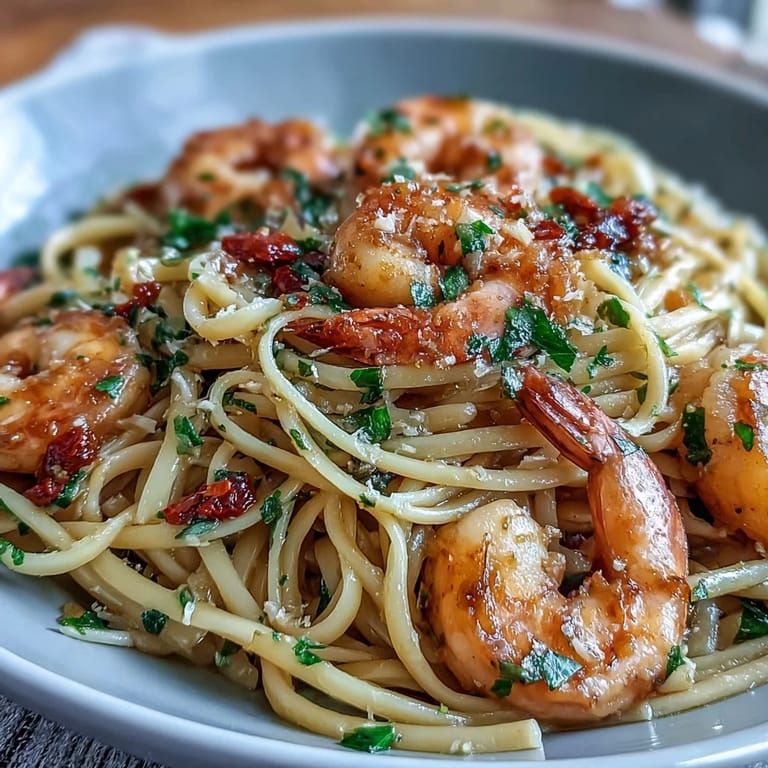
 There's something about the sizzle of garlic hitting hot oil that announces dinner before anyone even sits down. I discovered this chili-garlic shrimp linguine on a weeknight when I had twenty minutes and high expectations, standing in front of an open fridge with shrimp, pasta, and a handful of pantry staples staring back at me. The beauty of this dish isn't its complexity—it's how the simple combination of heat, garlic, and briny shrimp transforms into something that tastes like you've been cooking for hours. What started as a quick fix became my go-to when I want restaurant-quality results without the fuss.
I made this for a friend who'd just moved to the neighborhood, and we sat at my kitchen counter while it cooked, the smell gradually filling the apartment—garlic toasting, chili warming, that wine hitting the pan with a gentle hiss. She kept saying it smelled like an Italian restaurant, and honestly, that moment made me realize how much a simple dinner could say without words. Since then, it's become my default move when someone new enters my life or when I need to prove to myself that I still know how to cook something worth eating.
Ingredients
- Large shrimp, peeled and deveined (400 g): The size matters here—large shrimp cook evenly and stay plump, not rubbery like their smaller cousins.
- Linguine (350 g): The flat noodles catch and hold the garlicky oil better than round pasta, but don't stress if you only have spaghetti or fettuccine.
- Garlic, thinly sliced (5 cloves): Slice it yourself rather than using pre-minced; thin slices toast more evenly and taste fresher, less harsh.
- Red chili peppers, thinly sliced (1–2): Fresh peppers give you better control over heat than flakes, and you can fish them out if the spice gets too intense.
- Extra-virgin olive oil (3 tbsp): This is where quality matters—good oil makes the difference between a dish that tastes bright and one that feels greasy.
- Fresh flat-leaf parsley, chopped: Add it at the very end so it stays green and vibrant instead of turning dark and bitter.
- Lemon zest and juice: The acid cuts through the richness and brings everything into focus; don't skip it.
- Dry white wine (optional, 2 tbsp): If you skip it, add an extra splash of pasta water instead to deglaze the pan.
- Salt and freshly ground black pepper: Taste as you go—pasta water is salty, so season gently until the end.
Tired of Takeout? 🥡
Get 10 meals you can make faster than delivery arrives. Seriously.
One email. No spam. Unsubscribe anytime.
Instructions
- Start the pasta water and get everything prepped:
- Fill a large pot with salted water—it should taste like the sea—and bring it to a rolling boil while you slice your garlic and chili and chop your parsley. Everything comes together fast once the shrimp hits the pan, so having everything ready is the difference between calm and chaos.
- Cook the linguine to al dente:
- Drop the pasta in and cook according to package directions, but taste it a minute before the suggested time so you catch it while it still has a little bite. Reserve a generous half cup of pasta water before you drain it—this starchy liquid is your secret weapon for binding everything together.
- Infuse the oil with garlic and chili:
- In a large skillet over medium heat, warm the olive oil and add your sliced garlic and chili, letting them toast gently for a minute or two until fragrant and just beginning to color. You'll know it's ready when the kitchen smells irresistible and the garlic turns pale gold but not brown—brown garlic tastes bitter and ruins everything.
- Cook the shrimp until just pink:
- Add the shrimp to the pan, season with salt and pepper, and cook for about 2–3 minutes, stirring occasionally, until they curl slightly and turn pink all over. Don't walk away; shrimp cooks fast and the difference between perfect and rubbery is about 30 seconds.
- Deglaze with wine (optional but worth it):
- If you're using white wine, pour it in and let it bubble and reduce for 30 seconds, loosening up all the flavorful bits stuck to the bottom of the pan. If you're skipping the wine, just move to the next step.
- Toss it all together:
- Add the drained linguine to the skillet along with a splash of that reserved pasta water, then toss everything together over gentle heat, adding more pasta water as needed until the noodles are glossy and coated, not soupy. The starch in the pasta water emulsifies with the oil and creates a silky sauce that clings to every strand.
- Finish with fresh parsley and lemon:
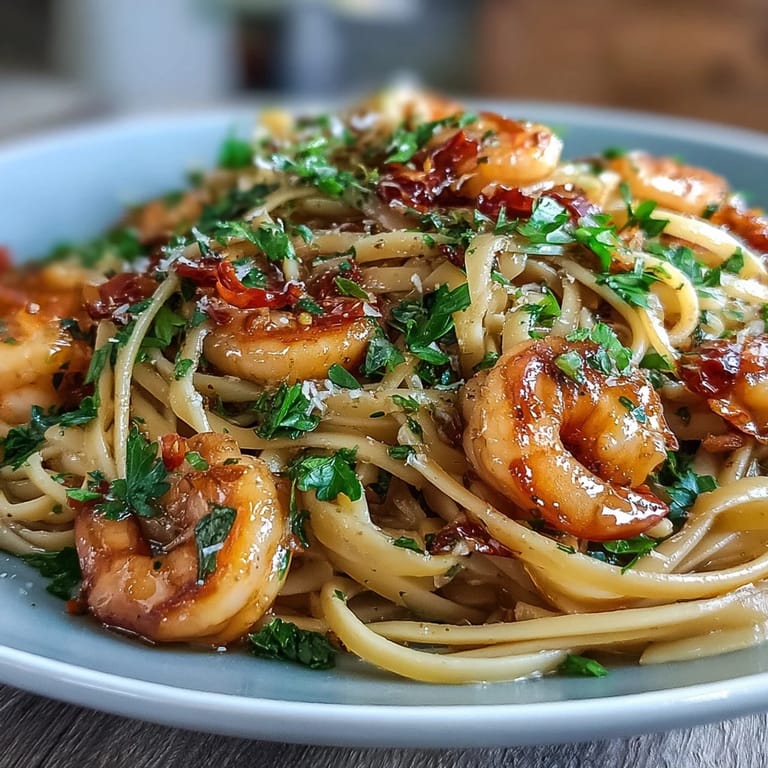
- Remove from heat, stir in the chopped parsley and lemon zest, squeeze in the lemon juice, taste for seasoning, and serve immediately while everything is still hot and aromatic. Don't let it sit—pasta waits for no one.
 Save to Pinterest
 One evening I cooked this for myself after a long day, and halfway through the first bite, I realized I was eating alone but didn't feel lonely—there was something about the combination of flavors, the care in the cooking, the warmth of it, that was enough. That's when I understood that this dish isn't just pasta with shrimp; it's a small act of kindness toward yourself or whoever's lucky enough to sit at your table.
Timing Is Everything
The beauty of this recipe is that every component finishes at almost exactly the same time, but only if you're paying attention. Linguine takes about 9–12 minutes depending on the brand, shrimp takes 2–3 minutes, and the garlic oil takes about the same, which means you can orchestrate everything to hit the pan within seconds of each other. Start your pasta water first, then begin your garlic and oil while the pasta cooks, and you'll have a coordinated dance instead of rushed chaos.
The Science of Infusing Oil
When you heat garlic and chili in oil over medium heat, you're not just warming them—you're extracting their flavor compounds into the fat so the oil itself becomes the vehicle for taste. This is why the heat has to stay medium and the cooking time brief; too hot and the garlic burns and turns acrid, too cool and nothing happens. The moment you add the shrimp or pasta water, you're stopping this infusion and moving into the next phase, which is why timing and attention matter so much here.
Variations and Substitutions
This recipe is flexible in ways that matter and rigid in ways that don't. You can swap spaghetti or fettuccine for linguine, use red pepper flakes instead of fresh chili if that's what you have, or add a pinch of dried oregano if you want earthiness. What you can't skip is the lemon, the garlic, the oil, and the proper timing on the shrimp—those are the load-bearing walls of the dish.
- Want more heat? Add another chili or a pinch of flakes, or leave the chili slices in the pan instead of fishing them out.
- Missing pasta water? Use chicken broth or a splash of white wine to loosen the sauce, but pasta water is best because it's starchy and neutral.
- Seafood sensitivities? Swap the shrimp for diced chicken breast or sautéed mushrooms, cooking until tender and adding them back at the end.
 Save to Pinterest
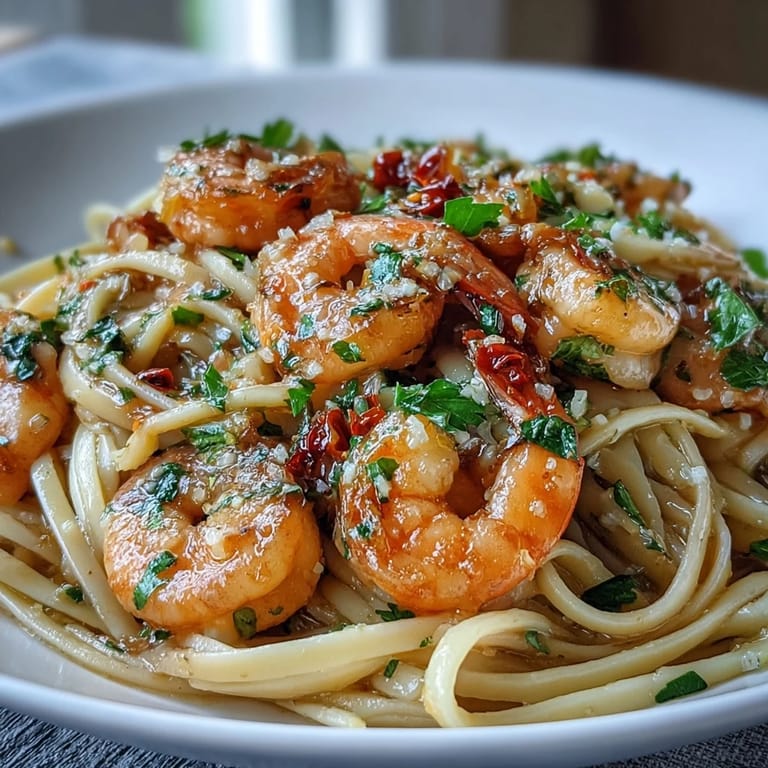
 This is the kind of dish that sits somewhere between weeknight dinner and celebration, never feeling like too much or too little. Once you've made it a few times, you'll find yourself reaching for it whenever you want to eat well without thinking too hard about it.
Questions & Answers
- → What type of shrimp works best for this dish?
Large, peeled, and deveined shrimp are ideal as they cook quickly and evenly while absorbing the garlic and chili flavors effectively.
- → Can I adjust the spice level?
Yes, increase or reduce the amount of fresh chili or red pepper flakes to suit your preferred heat intensity.
- → Is white wine necessary in the cooking process?
The white wine is optional; it adds a subtle acidity and depth but can be omitted without affecting the core flavors.
- → How can I maintain the linguine’s texture?
Cook the linguine until al dente and reserve some pasta water to add moisture and help the sauce adhere to the pasta perfectly.
- → What can I use if linguine is unavailable?
Spaghetti or fettuccine work well as alternatives and carry the sauce flavors just as effectively.