 Save to Pinterest
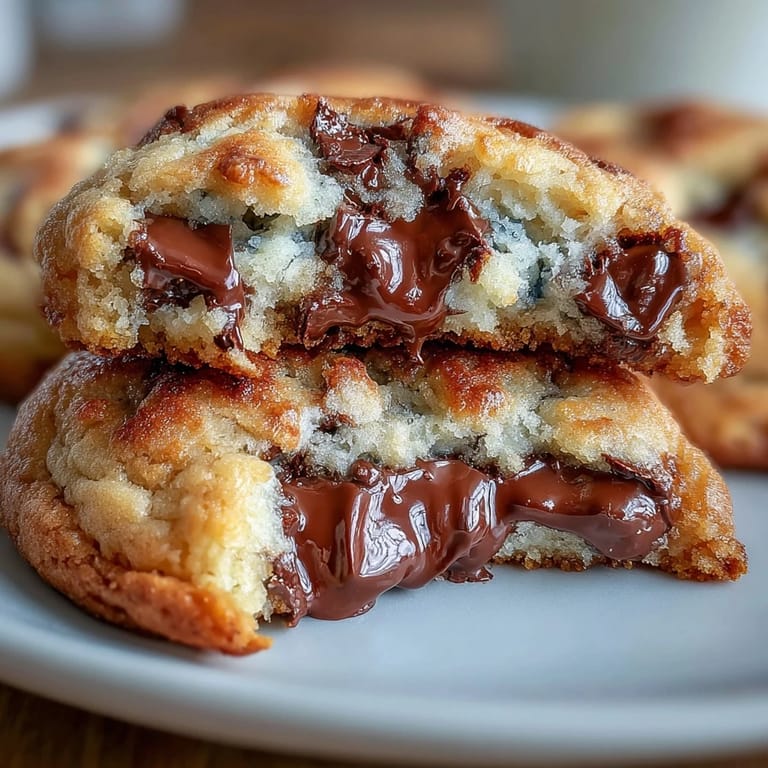
 My neighbor once brought over a container of these cookies during a particularly rough week, and I was skeptical about cottage cheese in dessert until that first bite melted on my tongue. The subtle tang balanced perfectly with the chocolate, creating something that felt both familiar and entirely new. It turns out she'd been experimenting for months, trying to use up cottage cheese in creative ways, and this was her masterpiece. I've made them dozens of times since, and they've become my go-to when I need something that feels homemade but tastes unexpectedly sophisticated.
I brought a batch to my daughter's school bake sale without mentioning the cottage cheese, and they sold out before the regular chocolate chip cookies did. One parent came back asking for the recipe, convinced I'd added some fancy ingredient, and laughed when she learned the truth. That moment made me realize how this simple swap completely changes what people expect from a cookie.
Ingredients
- Unsalted butter: Use softened butter at room temperature so it creams smoothly with the cottage cheese and sugar, creating that light, fluffy base that makes these cookies tender.
- Full-fat cottage cheese: Drain it well and blend it completely smooth before mixing, otherwise you'll get lumpy dough and uneven texture throughout the cookies.
- Large eggs: Add them one at a time so they incorporate fully and help bind everything together without making the dough too wet.
- Vanilla extract: A real vanilla extract makes a noticeable difference, giving the cookies warmth that complements the chocolate perfectly.
- Granulated sugar and light brown sugar: The combination of both creates the right texture and keeps the cookies chewy instead of cake-like.
- All-purpose flour: Measure it by spooning into your measuring cup and leveling off, not by scooping directly from the bag, which packs it too densely.
- Baking soda and baking powder: These work together to give gentle lift without making the cookies cakey or dense.
- Semisweet chocolate chips: Don't skip the quality here, as cheaper chips can taste waxy and won't melt as pleasantly in the cookie.
Tired of Takeout? 🥡
Get 10 meals you can make faster than delivery arrives. Seriously.
One email. No spam. Unsubscribe anytime.
Instructions
- Prepare your workspace:
- Preheat your oven to 350°F and line both baking sheets with parchment paper so nothing sticks and you can slide cookies onto cooling racks easily. This step takes just a minute but saves you from frustration later.
- Cream the butter and cottage cheese:
- In a large bowl, beat the softened butter and smooth cottage cheese together until they're pale and fluffy, about 2 to 3 minutes with an electric mixer. Add both sugars and keep beating until the mixture looks light and creamy, like fluffy clouds.
- Add eggs and vanilla:
- Drop in one egg at a time, beating well after each addition so it fully incorporates before you add the next. Pour in the vanilla and mix until everything is combined and smooth.
- Combine dry ingredients separately:
- In another bowl, whisk together the flour, baking soda, baking powder, and salt so the leavening agents distribute evenly. This prevents you from getting pockets of cookies that don't rise properly.
- Bring wet and dry together:
- Gently fold the dry mixture into the wet mixture with just a few strokes of a rubber spatula, stopping as soon as you don't see flour streaks. Overmixing develops gluten and makes the cookies tough instead of tender.
- Fold in the chocolate:
- Use a spatula to gently fold in the chocolate chips so they're evenly distributed without crushing them. You want whole chips so they create little pockets of melted chocolate in each bite.
- Scoop and space:
- Drop rounded tablespoons of dough onto the prepared sheets, leaving about 2 inches between each cookie so they can spread without touching. If the dough feels sticky, wet your spoon slightly between scoops for easier release.
- Bake with intention:
- Slide into the oven and bake for 11 to 13 minutes, watching for the moment when the edges set but the centers still look slightly underbaked. They'll continue cooking on the sheet, so resist the urge to bake them until they look fully done.
- Cool strategically:
- Leave cookies on the baking sheet for exactly 5 minutes so they firm up enough to move without breaking, then transfer them to a wire rack to cool completely. This two-stage cooling keeps them soft inside while they set properly on the outside.
 Save to Pinterest
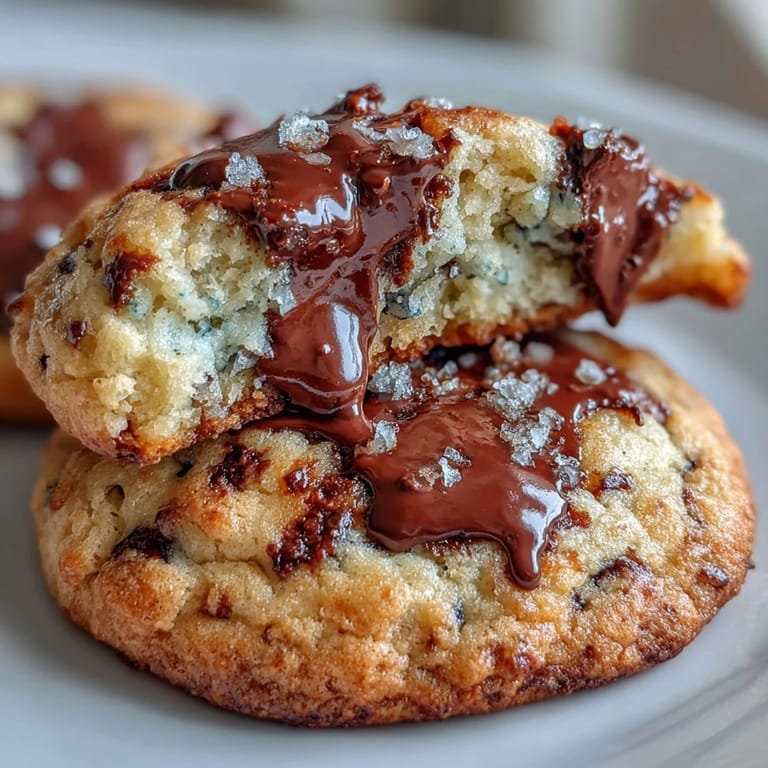
 My husband once ate four of these warm from the cooling rack and said they tasted like someone had figured out what chocolate chip cookies wanted to be when they grew up. We laughed at his dramatic reaction, but he was onto something—there's a complexity here that makes people slow down and actually taste what they're eating instead of just grabbing another cookie mindlessly.
The Magic of Cottage Cheese in Baking
Cottage cheese sounds like an unusual ingredient for cookies, but it's actually a quiet genius move that bakers have been using for generations. The protein in cottage cheese holds moisture in the dough, which means these cookies stay soft and tender for days instead of going stale overnight. It also adds a subtle tang that deepens the chocolate flavor, making it taste richer and more complex than it actually is.
Variations That Work
Once you nail the base recipe, you can play around with add-ins and mix-ins to keep things interesting. Some people swear by adding chopped walnuts or pecans for a subtle crunch, while others prefer to use half the semisweet chips and add in some dark chocolate or white chocolate chips for contrast. A half teaspoon of almond extract mixed in with the vanilla creates a completely different flavor profile that still works beautifully with the cottage cheese base.
Storage and Keeping
These cookies stay fresh in an airtight container for up to four days, which makes them perfect for baking ahead when you know you'll have a busy week. I learned the hard way that storing them in a regular cookie tin doesn't work as well as a truly sealed container, because they'll gradually absorb moisture from the air and the texture shifts slightly. They also freeze beautifully both as baked cookies and as dough, so you can portion the dough into balls, freeze them, and bake fresh cookies whenever the craving strikes.
- Cool the cookies completely before storing them, or condensation will make them soggy.
- Layer cookies with parchment paper in your container so they don't stick together.
- Frozen dough balls bake from frozen in the same time as room-temperature dough, so you don't have to thaw them first.
 Save to Pinterest
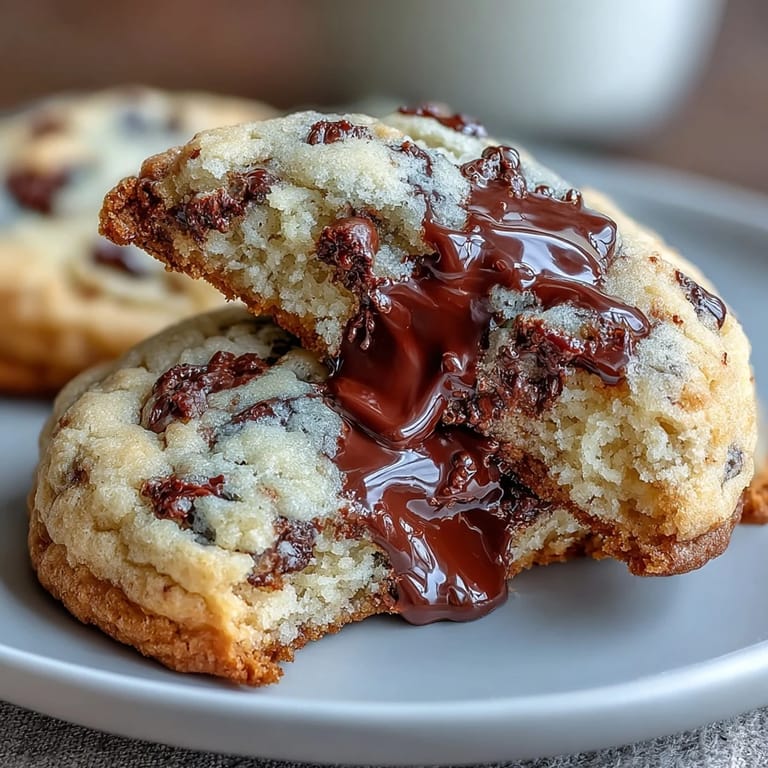
 These cookies have become my quiet act of kindness, the thing I bake when someone needs a small moment of comfort. There's something about food made from an unusual ingredient that feels personal, like you've gone slightly out of your way to create something memorable.
Questions & Answers
- → How does cottage cheese affect the cookie texture?
Cottage cheese adds moisture and a subtle tang, resulting in a soft, chewy texture that stands out from traditional cookies.
- → Can I substitute full-fat cottage cheese with low-fat versions?
Using low-fat cottage cheese may slightly alter the moisture and richness, potentially producing a less tender cookie.
- → What’s the best way to ensure even chocolate chip distribution?
Mix chocolate chips gently into the dough and consider using mini chips for a more uniform spread in each bite.
- → How long can these cookies be stored and how to keep them fresh?
Store cookies in an airtight container at room temperature for up to 4 days to maintain softness and flavor.
- → Can nuts be added for extra texture and flavor?
Yes, folding in chopped walnuts or pecans adds a pleasant crunch and complements the creamy and sweet elements.