 Save to Pinterest
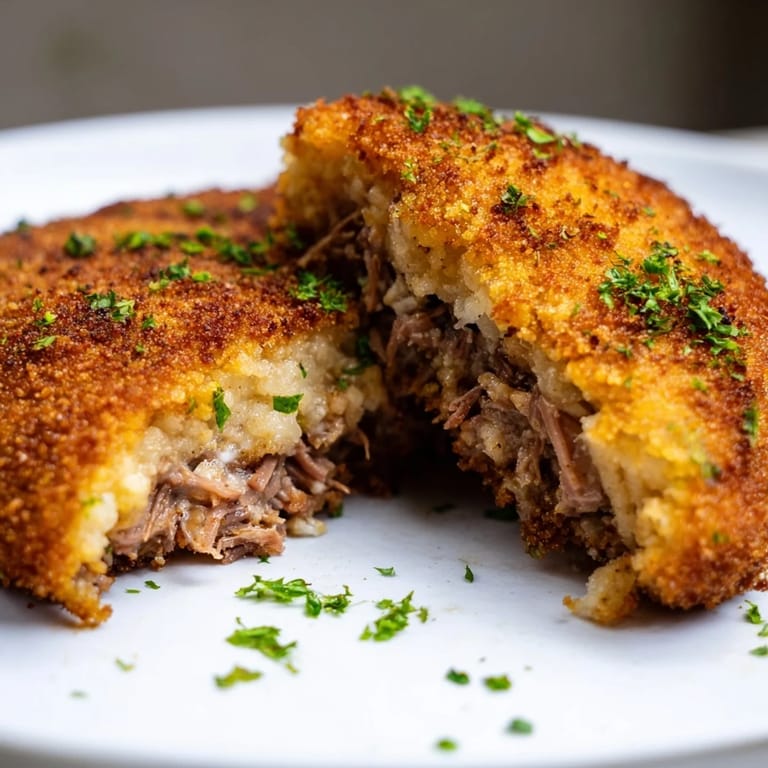
 My first Dutch croquette came from a cozy brown café in Amsterdam, where the owner's mother had been making them the same way for decades. The moment I bit into that crispy, golden shell and the creamy beef ragout spilled onto my tongue, I understood why these little cylinders were more than just bar food—they were comfort, tradition, and pure indulgence wrapped in breadcrumbs. Years later, I finally convinced my Dutch friend to teach me her family recipe, and after a few batches of trial and error (and one memorable disaster where my filling never thickened), I got it right. Now these croquettes are my go-to when I want to impress people or simply feed my own nostalgia.
I made these for my brother's poker night without telling anyone what they were—I just set the platter down with some mustard and watched them vanish in minutes while everyone debated what they were eating. Someone swore they tasted like luxury, another person asked if I'd bought them from a professional caterer, and my brother ate five in a row without coming up for air. That's when I knew this recipe had passed the ultimate test: it made people stop talking and start eating.
Ingredients
- Stewing beef (250 g): Chuck or another tough cut breaks down beautifully during the long simmer and creates the tender, flavorful base you need—avoid lean cuts as they'll turn stringy and dry.
- Beef broth (500 ml): Use good quality stock if you can; it's the backbone of your filling's flavor, so skip the bouillon cubes.
- Bay leaf and onion: These two working together create a savory depth that makes people ask what your secret ingredient is.
- Butter (40 g for roux): This is your thickening agent, and the quantity matters—too little and your filling stays loose, too much and it becomes greasy.
- All-purpose flour (40 g): Combined with butter in a roux, it transforms your broth and milk into something thick and clinging that holds the croquette together.
- Whole milk (150 ml): Adds richness and smoothness; don't skip it for a leaner version unless you really must.
- Ground nutmeg (1/2 tsp): Just a whisper of this spice elevates the entire dish from simple to sophisticated.
- Fresh parsley: Optional but adds a fresh brightness that cuts through the richness beautifully.
- Eggs and breadcrumbs: Fine dry breadcrumbs (Panko or Dutch paneermeel) create that signature crispy crust; the double coating trick is worth the extra step.
- Neutral oil: Use something with a high smoke point like sunflower or canola so it can handle the heat without burning.
Tired of Takeout? 🥡
Get 10 meals you can make faster than delivery arrives. Seriously.
One email. No spam. Unsubscribe anytime.
Instructions
- Braise the beef until it falls apart:
- Combine your beef cubes, broth, bay leaf, and a pinch of salt in a saucepan and let them simmer gently for about an hour—you'll smell the richness building, and the beef should shred easily with a fork when it's ready. This isn't a race; low and slow is how you extract all that savory depth.
- Build your flavor base with onion:
- In a separate skillet, melt a tablespoon of butter and sauté your finely chopped onion until it's soft and translucent, then add your shredded beef and stir everything together. Taste as you go and adjust salt and pepper—this is your moment to season boldly.
- Create the thickening roux:
- In a clean saucepan, melt 40 g of butter over low heat, stir in 40 g of flour, and cook for about 2 minutes while stirring constantly so you don't end up with lumps. This base is what transforms your liquid filling into something that clings to the croquette.
- Combine and cream everything together:
- Gradually whisk your reserved beef broth and milk into the roux, working slowly so you avoid lumps—the mixture should thicken noticeably as it heats. Fold in your beef-onion mixture, add a sprinkle of nutmeg and parsley if you're using it, then taste and adjust seasoning one more time.
- Chill the filling until it's moldable:
- Spread your creamy ragout into a shallow dish, cover it, and refrigerate for at least an hour—this step is non-negotiable because you need the filling to be firm enough to hold its shape during breading and frying. I learned this the hard way when I tried to skip it.
- Shape into cylinders:
- Once chilled, divide the filling into 10 portions and roll each one into a cylinder about 8 cm long—slightly wetting your hands helps prevent sticking. The shape doesn't need to be perfect, but consistent sizing means even cooking.
- Set up and execute the breading station:
- Place flour, beaten eggs, and breadcrumbs in three separate shallow bowls and work assembly-line style: roll each croquette in flour first, then dip in egg, then coat in breadcrumbs. For extra crispiness that's worth the effort, do the egg and breadcrumb step twice.
- Fry until golden and crispy:
- Heat your oil to exactly 180°C (350°F)—use a thermometer because guessing is how you end up with burnt outside and cold inside—and fry your croquettes in batches for 3-4 minutes until they're a deep golden brown. Don't crowd the pan or the oil temperature will drop and you'll get greasy croquettes instead of crispy ones.
- Drain and serve immediately:
- As each batch comes out, place croquettes on paper towels to drain any excess oil, then serve hot with mustard for dipping while they're still crispy.
 Save to Pinterest
 I remember my Dutch friend's grandmother watching me make these for the first time and nodding silently as I worked through each step, then tasting one and saying simply, 'Yes, this is correct'—which felt like winning an Olympic medal. That moment taught me that these croquettes aren't just a recipe; they're a small act of respect toward a food tradition that's been perfected over generations.
Flavor Foundations You Can't Skip
The magic of Dutch croquettes lives in how the beef braises for a full hour, which means the meat becomes impossibly tender and the broth absorbs all those deep, savory flavors. Too many people rush this step or use quick beef stock from a cube, and they end up with croquettes that taste good but not great—there's a real difference between the two. Trust the time investment because this is where the dish earns its reputation.
Making Ahead and Freezing Strategy
You can breade your croquettes up to three days ahead and keep them in the refrigerator, or freeze them for up to a month, which means you can have these ready for entertaining without day-of stress. The frozen-straight-to-oil method actually works beautifully—just add an extra minute or two to the frying time so the inside heats through while the outside crisps up. I've thrown together last-minute dinner parties using frozen croquettes and nobody ever guessed they weren't made fresh that day.
Beyond the Basic Recipe
Once you master the classic version, you have permission to experiment a little: some people swear by adding a small amount of shredded ham or a bit of Dijon mustard into the filling, others finish them with a light sprinkle of fleur de sel right after frying. The foundation is solid enough that it can handle your personal touches without falling apart.
- Serve with a cold pilsner, pale lager, or even a crisp white wine instead of the expected mustard if you want to feel fancy.
- Make a quick dipping sauce by mixing mayo, ketchup, and a squeeze of lemon juice instead of plain mustard.
- If you're making these for vegetarians, you can swap the beef broth and shredded beef for mushroom ragout and they'll be just as delicious and satisfying.
 Save to Pinterest
 These croquettes have become the thing I make when I want to feel close to a place and people I love, which is exactly what food should do. They're proof that the simplest combinations—beef, butter, breadcrumbs—become something extraordinary when you give them time and attention.