 Save to Pinterest
 My neighbor showed up one Saturday with a bag of fresh guavas from her tree, insisting I do something interesting with them. I'd been stuck in a ketchup rut for years, using the same bottled sauce on everything, so I decided to challenge myself and build something from scratch. That afternoon, my kitchen filled with the most unexpected aroma—tropical sweetness mixing with smoked paprika and cinnamon—and I realized I was creating something that didn't exist in any jar I'd ever bought. The first batch wasn't perfect, but it tasted like possibility.
I brought a batch to my cousin's birthday cookout last summer, nervous it would sit untouched while everyone grabbed the familiar bottles. Instead, people kept coming back asking what it was, slathering it on ribs and chicken, even drizzling it over grilled pineapple. My cousin's partner declared it better than three barbecue restaurants she'd visited, and suddenly I went from nervous to feeling genuinely proud. That moment made me realize homemade sauce isn't just about flavor—it's about showing up for people.
Ingredients
- Guava paste (1 cup, chopped): This is your foundation—it brings tropical sweetness and body that ketchup could never deliver, creating depth without being cloying.
- Water (1 cup): Think of this as your volume and control knob, letting you adjust texture without diluting flavor.
- Apple cider vinegar (1/3 cup): The acid that wakes everything up; it's the secret reason this tastes more alive than bottled versions.
- Yellow onion and garlic (1 small onion, 3 cloves): Sautéed first, they build an aromatic base that makes people say they can taste care in the sauce.
- Olive oil (1 tablespoon): Just enough to carry the onion and garlic flavors without making the sauce heavy.
- Smoked paprika, cumin, chili powder, allspice, and cinnamon (1 tablespoon, 1 teaspoon, 1 teaspoon, 1/2 teaspoon, 1/2 teaspoon): This spice lineup creates layers—warm, smoky, earthy, with a whisper of sweetness that keeps things interesting.
- Black pepper and salt (1 teaspoon and 1/2 teaspoon): Never skip seasoning these; they're the difference between good and unforgettable.
- Crushed red pepper flakes (1/2 teaspoon, optional): Add these only if you want heat; I learned this matters to different tables.
- Brown sugar and molasses (2 tablespoons and 1 tablespoon): Brown sugar adds subtle depth; molasses brings richness that feels luxurious.
- Dijon mustard (1 tablespoon): A pinch of sophistication that rounds everything out without anyone noticing it's there.
- Soy sauce or tamari (1 tablespoon): Umami in a splash, making the whole sauce taste more intentional and savory.
Tired of Takeout? 🥡
Get 10 meals you can make faster than delivery arrives. Seriously.
One email. No spam. Unsubscribe anytime.
Instructions
- Start with aromatics:
- Heat olive oil over medium heat and sauté your chopped onion until it becomes translucent and fragrant, about 3 to 4 minutes. Add minced garlic and let it bloom for just 1 minute—you'll smell when it's ready, and that moment is your signal.
- Build the guava base:
- Pour in the chopped guava paste with water and apple cider vinegar, stirring gently until the paste begins breaking down into the liquid. This should feel unhurried; let the heat do the work rather than forcing it.
- Layer in the spices:
- Add smoked paprika, cumin, black pepper, chili powder, allspice, cinnamon, salt, and red pepper flakes if using, stirring thoroughly so each spice gets coated. The mixture will smell incredibly aromatic at this point, almost too good to be true.
- Sweeten and balance:
- Stir in brown sugar, molasses, Dijon mustard, and soy sauce, mixing until everything dissolves together. Taste a tiny spoonful at this stage to see if your flavor instincts are aligning with the recipe.
- Simmer to glossy perfection:
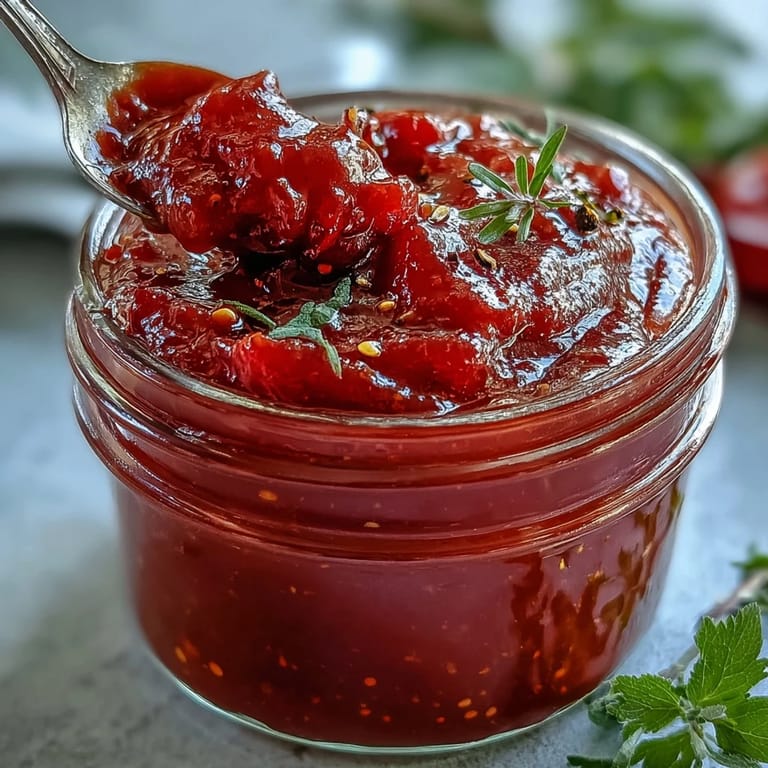
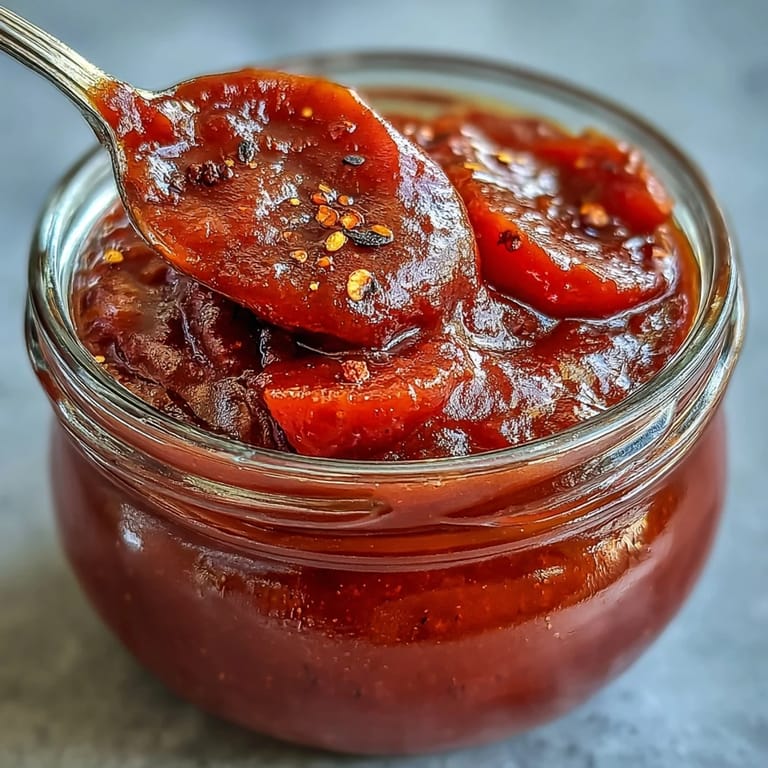
- Bring everything to a gentle simmer and let it bubble softly for 15 to 20 minutes, stirring every few minutes so nothing sticks or burns. The sauce will transform from thin and separated to thick, glossy, and unified—watch for that magic moment when it coats the back of a spoon.
- Blend until smooth:
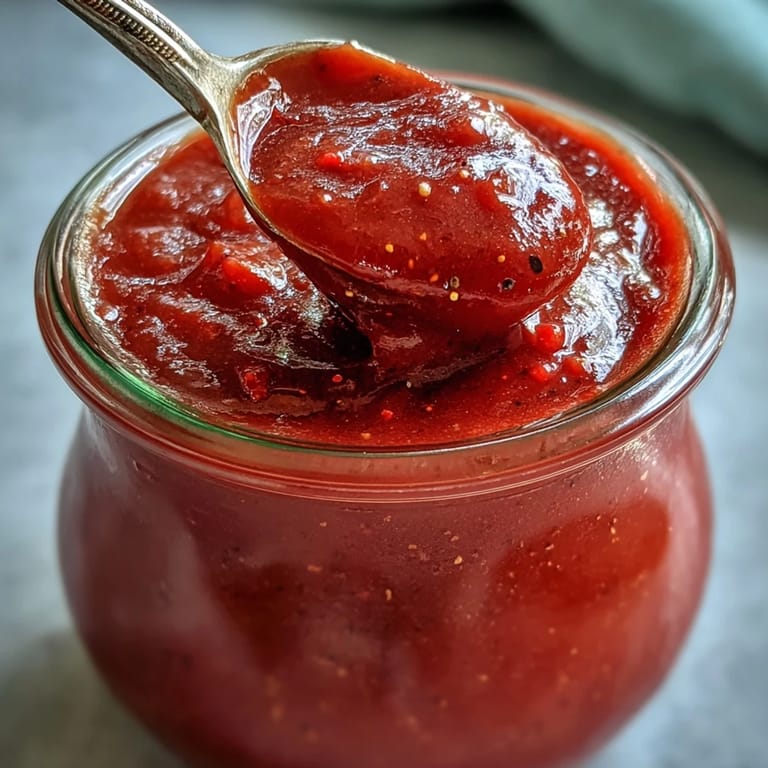
- Remove from heat, let cool for a couple minutes, then use an immersion blender to puree until completely smooth, or carefully transfer to a standard blender. This step makes the sauce feel professional and refined.
- Taste and store:
- Once cooled, taste and adjust seasoning if needed—maybe more heat, maybe more tang. Pour into a clean jar and refrigerate for up to 2 weeks.
 Save to Pinterest
 My sister called me after making this sauce for her family dinner and said her kids actually asked for seconds on vegetables because of it. That's when I understood this recipe wasn't just a condiment—it was permission to make something taste better than expected, to surprise people you cook for.
When Guava Paste Isn't Available
Guava jelly works beautifully as a substitute if you can't find paste, though it dissolves faster and you'll need to reduce the added sugar by half a tablespoon or so to keep things balanced. I've also heard whispers about using passion fruit paste or even mango paste for a different tropical angle, though I haven't tested these myself. The beauty of a homemade sauce is that you get to adapt it to what's in your world, what your neighbors grew, or what your grocery store happened to have in stock that day.
How to Use This Sauce
This sauce is shameless in its versatility—it glazes grilled chicken and ribs with the kind of sticky-sweet finish that makes people close their eyes while eating. I've drizzled it over roasted vegetables, used it as a dipping sauce for grilled tofu, and even brushed it onto burger buns before toasting. One unexpected win was using it as a marinade for pork shoulder the night before grilling, letting those spices and guava flavors sink deep into the meat.
Fine-Tuning the Heat and Consistency
If heat is your thing, add another teaspoon or two of chili powder or a splash of hot sauce at the end—tasting as you go keeps you from accidentally making it inedible. For consistency, add water a tablespoon at a time if you want it pourable for dipping, or let it simmer a few minutes longer if you prefer it thicker for glazing meat. The beauty of cooking at home is this flexibility; restaurant sauces come one way, but yours can be exactly what you want.
- Refrigerate in a clean glass jar for the longest shelf life and easiest reheating.
- A splash of fresh lime juice added after cooling brightens the whole thing if you find it tastes too heavy.
- This sauce freezes beautifully for up to three months if you want to make double batches.
 Save to Pinterest
 Making sauce from scratch taught me that the meals people remember aren't the ones made with shortcuts, but the ones made with a little extra intention. Every time someone asks for this recipe, I pass along the story too.
Questions & Answers
- → Can I substitute guava paste with guava jelly?
Yes, guava jelly works as a substitute. Since jelly is already sweeter and more spreadable than paste, reduce the brown sugar in the recipe by half to maintain the proper balance.
- → How long will this sauce keep in the refrigerator?
Properly stored in a clean, sealed jar, this sauce will stay fresh for up to two weeks in the refrigerator. The vinegar and sugar act as natural preservatives.
- → Is this sauce spicy?
The sauce has mild to medium heat from chili powder and optional red pepper flakes. Adjust the spice level by reducing or increasing these ingredients according to your preference.
- → What dishes pair best with guava BBQ sauce?
This versatile sauce complements grilled chicken, pork chops, ribs, shrimp, and portobello mushrooms beautifully. It also works as a burger condiment or dipping sauce for fried foods and roasted vegetables.
- → Can I freeze this sauce for longer storage?
Yes, you can freeze this sauce in freezer-safe containers for up to three months. Thaw overnight in the refrigerator and stir well before using, as some separation may occur.
- → Do I have to blend the sauce?
Blending creates a smooth, restaurant-style texture, but it's not mandatory. If you prefer a chunkier sauce with visible onion and garlic pieces, you can skip the blending step entirely.