 Save to Pinterest
 My neighbor stopped by one autumn evening with a bundle of parsnips from her garden, looking slightly apologetic about the odd-shaped vegetables. I'd never cooked with parsnips before, but she swore they were magic when roasted with carrots and honey. That night, something clicked—the way the honey caramelized at the edges while the vegetables turned golden and tender felt less like cooking and more like discovering a new favorite thing. Now this dish shows up on nearly every table where ham is served in our house.
I made these for a holiday dinner when one guest mentioned they'd never had parsnips, and watching their face when they tasted the caramelized edges was worth all the prep work. They went back for seconds while I was still plating the ham, which tells you everything about how quietly impressive this side dish really is.
Ingredients
- Carrots: Four medium carrots bring natural sweetness that intensifies when roasted, and cutting them into even sticks ensures they cook at the same pace as the parsnips.
- Parsnips: These pale, subtle cousins of carrots develop a nutty flavor when roasted that honey seems to amplify rather than mask.
- Honey: Use raw or regular honey—it caramelizes beautifully in the oven and creates those dark, slightly crispy edges that make each bite special.
- Olive oil: This carries the honey and thyme into every crevice of the vegetables while helping them brown evenly.
- Fresh thyme: The earthy aromatics from thyme feel like they belong with these root vegetables, though dried thyme works just fine if that's what you have on hand.
- Sea salt and black pepper: These balance the sweetness so the dish doesn't tip into cloying territory.
- Fresh parsley: A optional bright finish that adds color and a fresh note at the end.
Tired of Takeout? 🥡
Get 10 meals you can make faster than delivery arrives. Seriously.
One email. No spam. Unsubscribe anytime.
Instructions
- Get your oven ready:
- Preheat to 400°F and line your baking sheet with parchment paper so nothing sticks and cleanup stays simple.
- Prep the vegetables:
- Peel your carrots and parsnips, then cut them into sticks roughly the same thickness—think french fry sized, maybe slightly thicker. Even sizes mean even cooking.
- Make the glaze:
- Whisk honey, olive oil, thyme, salt, and pepper together in a small bowl until it looks like a loose, fragrant paste. This is where all the flavor lives.
- Coat everything:
- Toss your vegetable sticks with the glaze in a large bowl, making sure every piece gets a good coating. This step matters more than it sounds.
- Arrange on the pan:
- Spread the vegetables in a single layer on your prepared baking sheet, giving them breathing room so they roast rather than steam.
- Roast until golden:
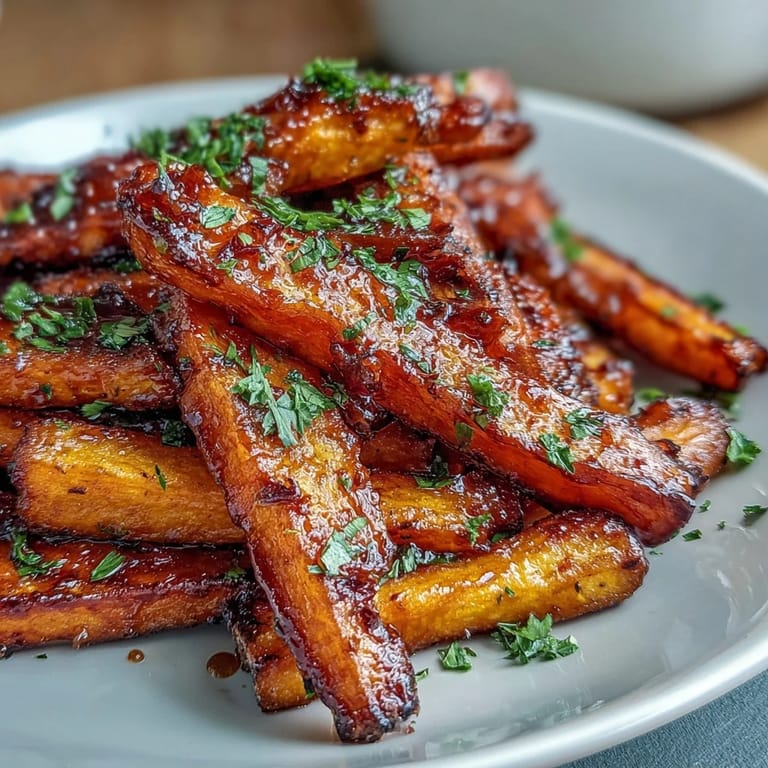
- Pop them in the oven for 30 to 35 minutes, stirring them halfway through so they caramelize evenly on all sides. You'll know they're done when the edges are dark and crispy and the centers are fork-tender.
- Finish and serve:
- Transfer to a serving dish while they're still warm, sprinkle with parsley if you like, and get them to the table before they cool down.
 Save to Pinterest
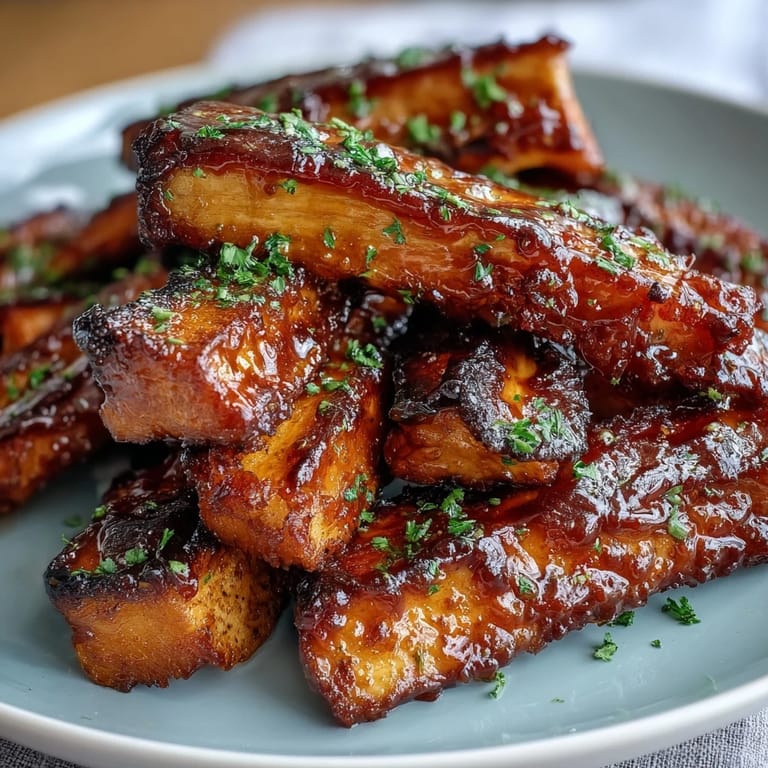
 There's a moment when these vegetables are roasting where your kitchen fills with this deep, honeyed aroma mixed with thyme, and somehow everyone gathers in the kitchen even though dinner isn't close to ready. That's when you know you've made something good.
Why Parsnips Deserve a Spot on Your Table
Parsnips are one of those vegetables that sit in the produce section looking slightly forgettable until you roast them. Their pale color and subtle flavor hide something wonderful—when heat hits them, they develop this creamy texture and nutty sweetness that honestly rivals potatoes. I used to skip right past them until my neighbor's garden changed my mind, and now I'm genuinely disappointed when markets run out.
The Magic of Caramelization
Caramelization isn't just about browning; it's about the vegetables' natural sugars transforming into something deeper and more complex. Carrots and parsnips are already sweet, but roasting them with honey pushes those flavors into territory that tastes indulgent and almost candy-like without being cloying. The slightly charred edges add a subtle bitterness that rounds everything out, creating layers of flavor that a simple boiled vegetable could never achieve.
Beyond the Holiday Table
While these roasted vegetables feel right at home next to holiday ham, they're actually brilliant year-round. I've packed them into lunch boxes, served them alongside weeknight roast chicken, and even tossed them with grains for a warm salad. They hold up beautifully when reheated, which makes them perfect for cooking ahead when you're juggling a full table.
- Try adding a pinch of chili flakes to the glaze if you like a whisper of heat against the sweetness.
- Balsamic vinegar swirled into the glaze adds depth and acidity that balances the honey beautifully.
- If parsnips aren't available, this method works wonderfully with beets, sweet potatoes, or even Brussels sprouts—the technique is what makes it special.
 Save to Pinterest
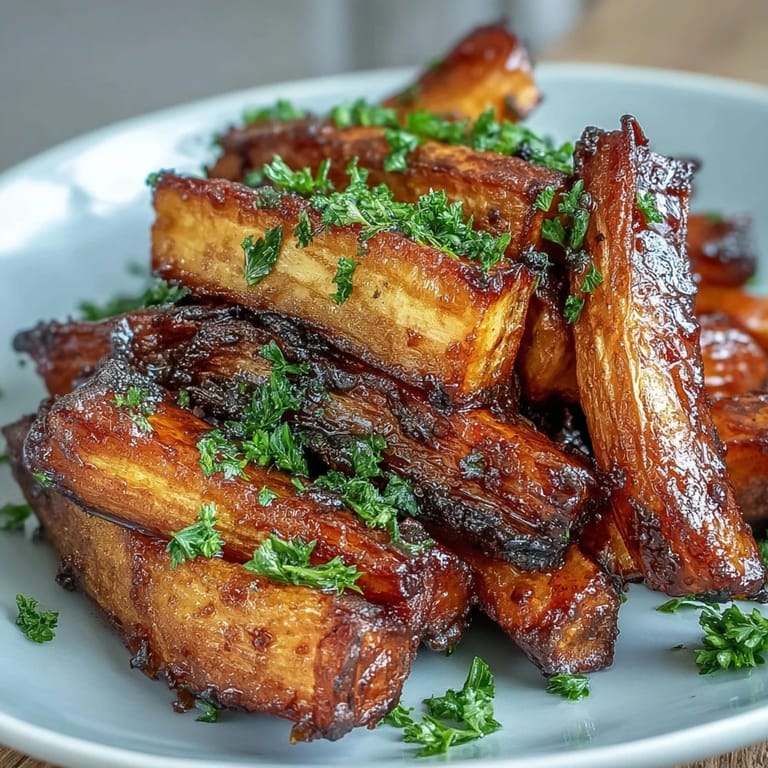
 These roasted carrots and parsnips have quietly become the side dish people ask me to bring, and that's the highest compliment a simple recipe can receive. Serve them warm, watch them disappear, and enjoy knowing you've made something that tastes like you put in way more effort than you actually did.
Questions & Answers
- → Can I use maple syrup instead of honey?
Yes, maple syrup works well as a vegan-friendly alternative, providing a similar sweetness and glaze texture.
- → How do I ensure the carrots and parsnips roast evenly?
Cut the vegetables into uniform sticks and spread them in a single layer on the baking sheet to allow even heat circulation.
- → What is the best oven temperature for roasting these vegetables?
Roasting at 400°F (200°C) helps caramelize edges while keeping the vegetables tender.
- → Can I add extra spices to the glaze?
Yes, adding chili flakes or a splash of balsamic vinegar enhances depth of flavor without overpowering.
- → How should I store leftovers?
Keep leftovers refrigerated in an airtight container for up to three days. Reheat gently to maintain texture.