 Save to Pinterest
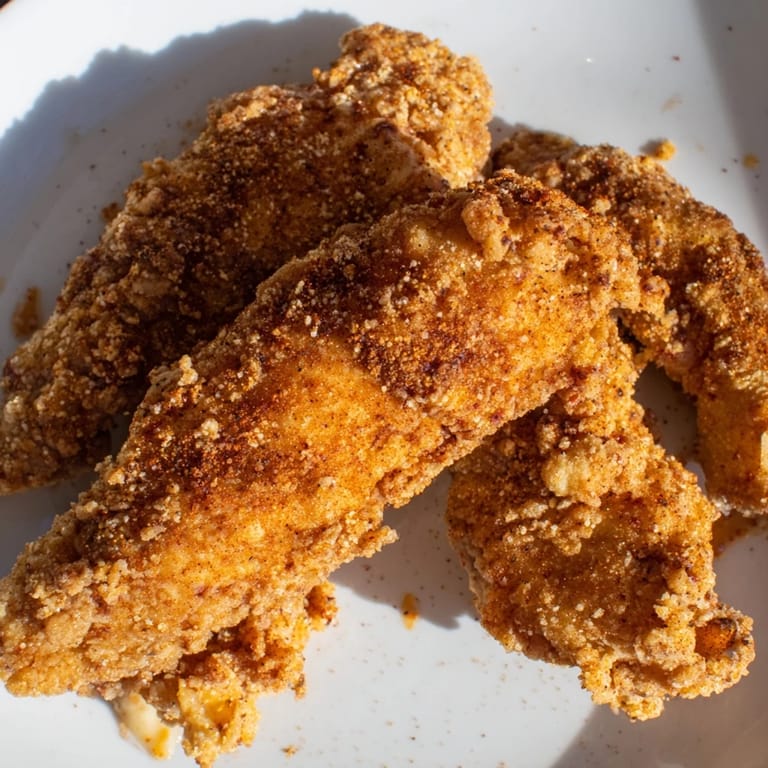
 There's something about the sound of chicken hitting hot oil that makes me stop whatever I'm doing. My neighbor once stood in my kitchen doorway, drawn in purely by that crackling noise, and by the time the first batch finished, she was perched on a stool asking for the recipe. I'd been making these buttermilk-fried chicken tenders for years by then, but that moment reminded me why they matter so much—they're simple enough for a Tuesday dinner, golden enough to impress, and somehow always the first thing gone when people gather around the table.
I remember my partner coming home to the smell of these frying and immediately asking if we were celebrating something. I wasn't, I was just hungry, but that's exactly the kind of thing these tenders do—they smell like an occasion even when they're just dinner. We sat on the back porch with a bottle of hot sauce between us, and somehow a regular Tuesday became the kind of meal you think about days later.
Ingredients
- Chicken tenders or breasts: If you can't find tenders, pound your chicken breasts thin so everything cooks at the same speed—uneven pieces are the enemy here.
- Buttermilk: This is the magic ingredient, and there's no real substitute; the acidity tenderizes the chicken while the dairy keeps it moist through the frying.
- All-purpose flour: The baking powder in the coating is the secret to that shatteringly crisp exterior that stays crispy even when it cools.
- Paprika: Use real paprika, not smoked unless you want a campfire flavor; it adds color and a gentle warmth.
- Garlic and onion powder: These are seasoning workhorses that distribute evenly throughout the coating, something fresh garlic can't do.
- Vegetable oil: Use something with a high smoke point; I prefer vegetable or peanut oil for the clean flavor and reliability.
Tired of Takeout? 🥡
Get 10 meals you can make faster than delivery arrives. Seriously.
One email. No spam. Unsubscribe anytime.
Instructions
- Build your marinade:
- Whisk the buttermilk with salt, pepper, garlic powder, onion powder, paprika, and cayenne in a large bowl. The mixture should smell intentional and spiced. Add your chicken, make sure every piece gets coated, and cover it tightly—the longer it sits, the more tender it becomes, and two hours is the minimum that makes a difference.
- Mix your seasoned flour:
- In a shallow dish, combine flour with all the same seasonings plus baking powder. The baking powder is crucial; it reacts with the moisture on the chicken and creates those little bubbles that make the coating crispy. Mix it well so the seasonings are evenly distributed.
- Prepare for dredging:
- Pull the chicken from the buttermilk one piece at a time, let the excess drip off for just a second, then lay it in the flour mixture. Press gently so the flour adheres; you're creating a seal, not building armor. Place each coated tender on a clean plate and let it sit for a minute—this helps everything stick during frying.
- Get your oil ready:
- Pour about two inches of oil into a large, deep skillet or Dutch oven and heat it to exactly 350°F. Use a thermometer; guessing is how you end up with grease-soaked chicken or burnt coating. The oil should shimmer and move, but not smoke.
- Fry in batches:
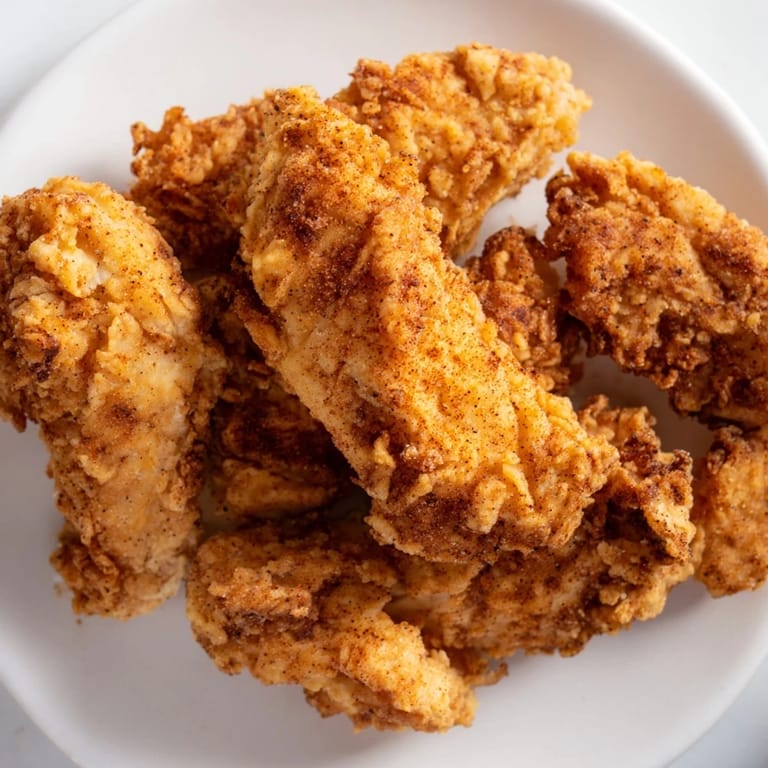
- Working in groups of three or four (don't crowd the pan; the temperature will drop and everything will steam instead of fry), gently lay the chicken into the hot oil. You'll hear an immediate sizzle—that's the sound of it working. Fry for about three to four minutes per side until the coating is deep golden brown and the internal temperature hits 165°F.
- Rest and serve:
- Drain the cooked tenders on a wire rack or paper towels so air circulates underneath and keeps them crispy. Serve hot, ideally within minutes of finishing, with your choice of dipping sauce.
 Save to Pinterest
 These tenders have a way of bringing people together in the kitchen. My daughter once insisted on standing next to the stove to watch them fry, fascinated by the transformation from raw to golden, and now that's her favorite job whenever we make them. Food doesn't have to be complicated to create memories.
The Double-Dip Secret
If you want restaurant-quality crunch, embrace the double dip. After your first flour coating, return the chicken to the buttermilk for a quick second dip, then coat again in flour. This creates layers that stay crispy for hours, and honestly, it's worth the extra minute of effort. I don't always do it on a Tuesday night, but whenever I want these to feel special, this is how I do it.
Dipping Sauces That Matter
These tenders are delicious plain, but a good sauce transforms them. Honey mustard is the classic for a reason—the sweetness plays against the savory seasoning. Ranch is a crowd-pleaser that works for anyone at the table. Hot sauce adds heat for those who want it without forcing it on everyone.
- Mix equal parts mayo and buttermilk, add fresh lemon juice and minced garlic for a quick sauce that tastes homemade.
- Combine ketchup, mayo, and a tablespoon of hot sauce for something between classic and bold.
- Don't sleep on a simple squeeze of fresh lemon; sometimes the simplest thing is exactly what you need.
Storage and Reheating
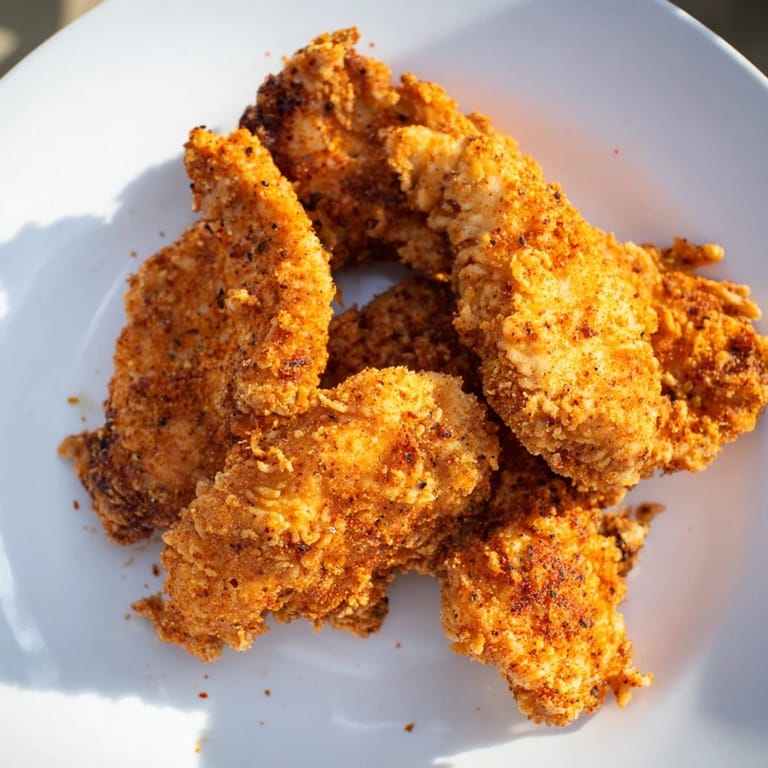
These are best eaten fresh and hot, but leftovers keep in an airtight container in the refrigerator for up to three days. Reheat them in a 350°F oven for about five minutes to restore some crispness, or eat them cold the next day as a snack—I've done both and both are honest. The coating won't be quite as shatteringly crisp on day two, but the chicken stays moist, and sometimes that's enough.
 Save to Pinterest
 These buttermilk fried chicken tenders are the kind of recipe that rewards a little attention but doesn't demand perfection. They're forgiving enough for a beginner and rewarding enough to make again and again. Serve them hot with whatever makes you happy.
Questions & Answers
- → How long should the chicken marinate?
Marinate the chicken tenders for at least 2 hours, or overnight for enhanced tenderness and flavor.
- → What oil temperature is best for frying?
Heat the oil to 350°F (175°C) to ensure a crispy coating without greasiness.
- → Can I double coat the tenders for extra crunch?
Yes, for a crunchier crust, dip the tenders back into buttermilk after the first flour coating, then coat again with flour.
- → What spices are included in the coating?
The coating features paprika, garlic powder, onion powder, salt, black pepper, and baking powder for a flavorful crust.
- → What are some serving suggestions?
Serve with honey mustard, ranch dressing, or your preferred dipping sauces to complement the crispy tenders.