 Save to Pinterest
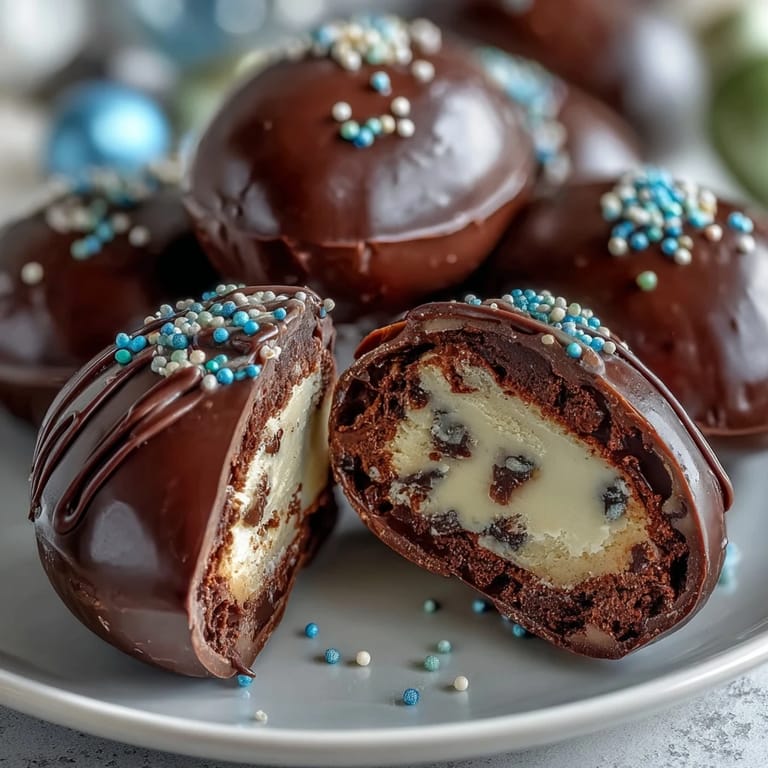
 The scent of melted chocolate mingling with peanut butter in my kitchen always means spring is in full swing. One year, after spotting those bright orange bags of Reeses eggs but realizing the store was sold out, I decided to try making my own version. That afternoon, I shuffled around in mismatched socks and let my favorite playlist loop as I scooped peanut butter filling onto parchment. There was something surprisingly satisfying about shaping each egg—my fingers sticky, laughter echoing from the other room. No Easter basket felt quite as personal as the one filled with handmade treats.
The first time I made a batch for my family, my nephew insisted on helping with the sprinkles. We ended up with every surface lightly dappled in rainbow, and the kitchen smelled sweet for hours. Sharing the messy results on a rainy afternoon felt more celebratory than anything store-bought. Even my mom asked for the recipe so she could surprise her coworkers with a little sugar rush. That day, the eggs became our new Easter tradition.
Ingredients
- Creamy peanut butter: Smooth peanut butter blends perfectly, but if you’re after crunch, don’t be shy about swapping in the chunky variety.
- Unsalted butter: Softened butter helps the filling meld, and I learned cold butter turns the dough lumpy.
- Powdered sugar: This is the secret to achieving that classic sweet, moldable consistency.
- Vanilla extract: A splash cuts through the richness and adds warm undertones.
- Salt: Just a pinch balances sweet and nutty flavors.
- Chocolate chips: Semisweet gives a deeper coating, but milk chocolate wins for nostalgia—just melt smooth for easy dipping.
- Coconut oil or vegetable shortening: This trick keeps the chocolate flexible and glossy.
- Sprinkles or colored candy melts (optional): Decorating isn’t required, but it’s the part everyone always wants to help with.
Tired of Takeout? 🥡
Get 10 meals you can make faster than delivery arrives. Seriously.
One email. No spam. Unsubscribe anytime.
Instructions
- Mix the filling:
- Grab the largest bowl you own and beat together peanut butter, softened butter, vanilla, and salt until the mixture becomes light and creamy—scraping the sides as needed for evenness.
- Add powdered sugar:
- Sprinkle in the sugar gradually, blending until the dough is thick enough that it holds shape without sticking to your hands.
- Mold the eggs:
- Scoop up about 2 tablespoons per egg and roll gently into smooth ovals, letting each one rest on a parchment-lined baking sheet before moving to the next.
- Chill for firmness:
- Slide the baking sheet into the freezer for 30 minutes; the colder they get, the easier dipping will be.
- Melt the chocolate:
- Combine chocolate chips with coconut oil in a microwave-safe bowl, heating in 30-second bursts and stirring between rounds until glossy and completely melted.
- Dip and coat:
- Use a fork to gently lower each frozen egg into the chocolate, letting extra drip back into the bowl before returning to the sheet.
- Decorate:
- While the chocolate is still warm, sprinkle with candies or drizzle colored melts—act quickly for a flawless finish.
- Set and chill:
- Refrigerate the chocolate-coated eggs for at least 15 minutes, or until firm and ready to enjoy.
 Save to Pinterest
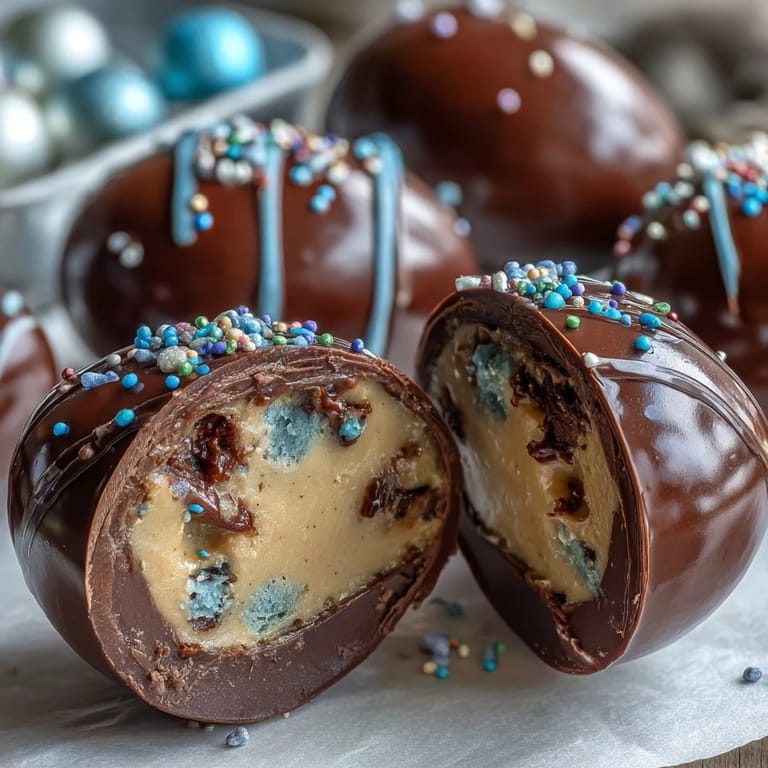
 Watching people bite into these eggs and catch the creamy center feels like a small victory. There was a year my dad tried to guess what made them taste so much better—he kept saying, There’s something about homemade. Even simple desserts manage to turn into cherished moments.
How Decorating Became a Group Effort
When friends drop by and see the chocolate eggs lined up, someone always wants to help decorate. Letting everyone try their hand at drizzling or adding a sprinkle, we all get to personalize a treat. The tablecloth inevitably gets messy, but no one minds. Sometimes the kids’ designs are wild—stripes, zigzags, clusters of rainbow dots—making each batch memorable afterward.
Why Freezing Is Essential
Through trial and error, I learned that skipping the chilling step spells disaster for dipping. Soft eggs will crumble, stick, or collapse into the chocolate, ruining the coating. If you’re impatient, try placing them in the freezer’s coldest spot for extra efficiency. It’s worth the wait for perfectly shaped treats you can actually pick up without smudging.
Storing Your Peanut Butter Eggs
After several batches, I realized keeping these eggs in a sealed container in the fridge preserves their texture and flavor. The chocolate stays crisp, and the filling doesn’t dry out—plus you can grab one for an impromptu sweet moment anytime. If you stack them, layer parchment to avoid sticking and smudges.
- Remove eggs a few minutes before eating so the center softens.
- If storing longer, avoid leaving uncovered—the chocolate absorbs fridge aromas.
- Don’t forget: homemade always tastes best fresh, but these hold up well for two weeks.
 Save to Pinterest
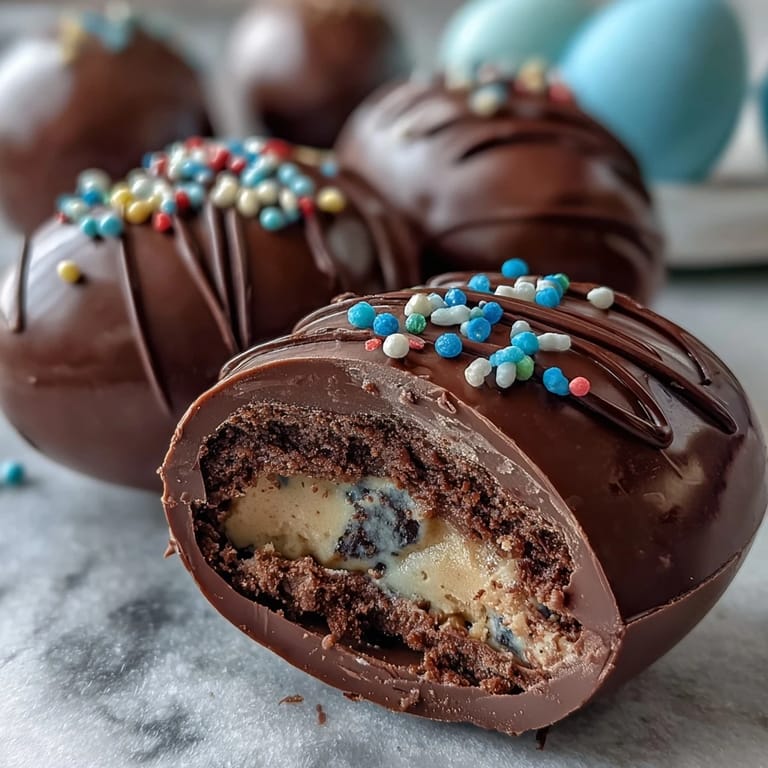
 Try sharing these peanut butter eggs with someone who thinks homemade desserts are tricky—they’ll be won over in a single bite. Make a double batch if you want leftovers, because these disappear fast.
Questions & Answers
- → Can I use crunchy peanut butter?
Yes, using crunchy peanut butter adds texture and a nutty bite to the filling. Adjust to your preference.
- → How do I make the chocolate coating extra smooth?
Melt chocolate chips with coconut oil or vegetable shortening for a glossy, easy-to-dip finish.
- → How should I store homemade peanut butter eggs?
Store them in an airtight container in the refrigerator for up to two weeks for optimal freshness.
- → Can I decorate the eggs differently?
Try drizzling colored candy melts or adding festive sprinkles for a fun, personalized touch.
- → What variations can I try?
Use dark or white chocolate for the coating, or experiment with nut butters and extract flavors.
- → Are these suitable for vegetarians?
Yes, all ingredients are vegetarian-friendly, but always check labels for hidden animal products.