 Save to Pinterest
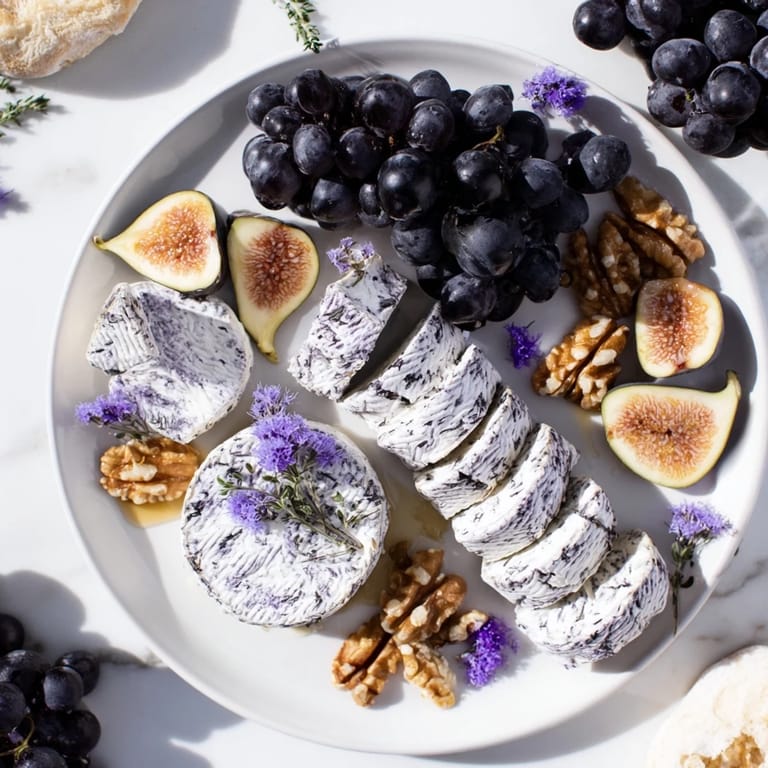
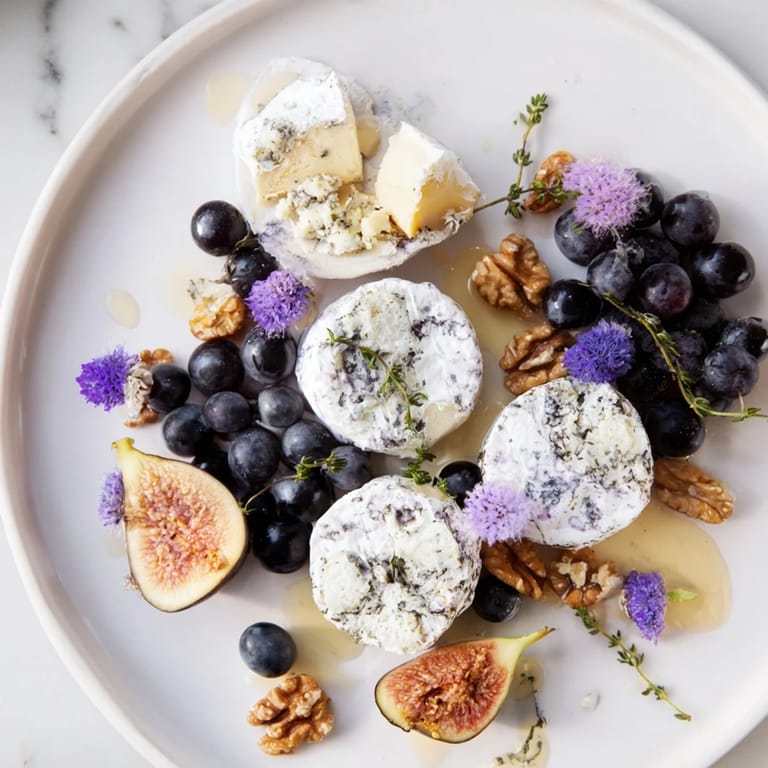
 I discovered this board on an ordinary Tuesday when I was tasked with impressing friends arriving in an hour with nothing but my kitchen skills and a fridge that somehow held lavender honey and ash-rinded brie. Instead of panicking, I leaned into the chaos, layering purples and greys on my largest board, and watched my guests' faces light up before anyone even tasted a thing. That's when I realized a beautiful cheese board isn't really about perfection—it's about creating a moment where people slow down and actually pay attention to what they're eating together.
My sister once told me that the best part of visiting was not the meal itself but the spread before dinner, when everyone stands around picking at cheese and talking without agenda. That comment stuck with me, and now whenever I build a board like this one, I think about how the lavender-grey color story became the backdrop for actual connection. The edible flowers weren't there for show—they were permission for my friends to eat something beautiful without guilt.
Ingredients
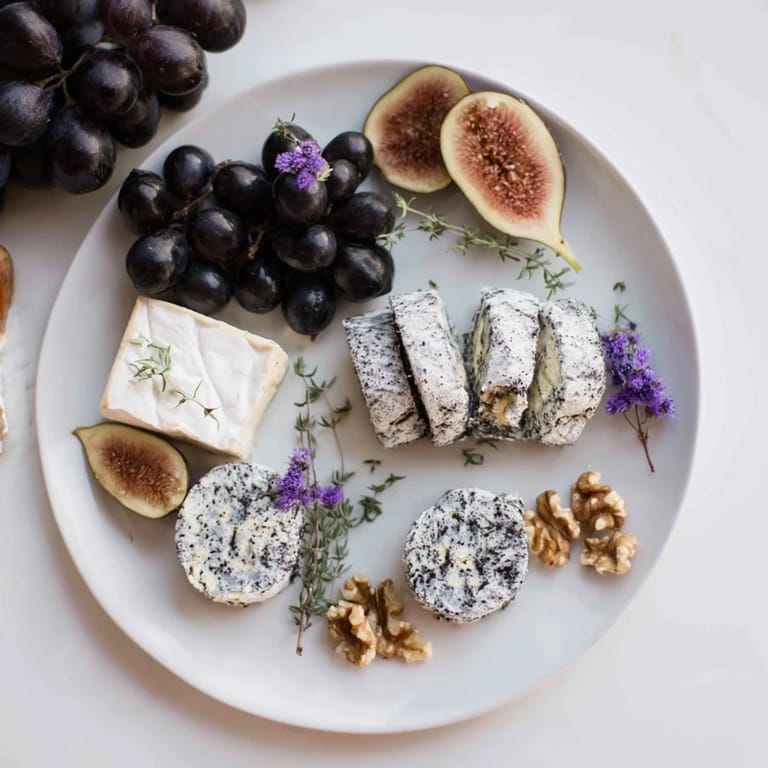
- Lavender-coated goat cheese: This ingredient is the entire reason the board exists—150 grams of tangy softness wrapped in floral notes, sliced into rounds just thick enough to hold together but soft enough to spread.
- Ash-rinded brie: Buy the wedges whole and cut them yourself rather than pre-cut; they hold their shape better and taste fresher when you're not working with exposed interior surfaces.
- Seedless grapes: Halve them so they're easy to eat in one bite alongside cheese, and chill them for a refreshing contrast to rich dairy.
- Fresh figs: If you find them in season, use those over dried—the delicate skin and jammy center add a luxury feel that costs nothing extra.
- Candied walnuts or pecans: The slight sweetness bridges the gap between cheese and fruit; toast your own nuts and toss with honey if store-bought versions feel too artificial.
- Lavender honey: A drizzle adds visual warmth and echoes the goat cheese coating without overwhelming the palate—if you can't find it, regular honey works beautifully.
- Edible flowers: Source from food-safe suppliers only; violets and pansies are delicate enough not to compete with cheese flavors.
- Fresh thyme sprigs: These add aroma before anyone tastes anything, setting the mood for the experience.
- Toasted baguette slices and charcoal crackers: The dark crackers create dramatic contrast against pale cheeses and make every pairing feel intentional.
Tired of Takeout? 🥡
Get 10 meals you can make faster than delivery arrives. Seriously.
One email. No spam. Unsubscribe anytime.
Instructions
- Set your canvas:
- Arrange the lavender goat cheese rounds and ash-rinded brie wedges on your largest board first, placing them where they'll catch light and spacing them as if each cheese deserves its own moment of attention.
- Cluster the fruit:
- Group the halved grapes and quartered figs in small piles around the cheeses—this creates pockets of color and makes it easier for guests to reach without their hands becoming sticky messes.
- Scatter the candied nuts:
- Let the walnuts or pecans fall naturally between fruit and cheese, filling visual gaps while giving people something crunchy to layer onto their bites.
- Drizzle with intention:
- Pour a light ribbon of lavender honey directly over the goat cheese, and place extra honey in a small bowl nearby—some people will want more, and having it accessible removes the awkwardness of asking.
- Crown with flowers and herbs:
- Scatter edible flowers across the board as if you're not thinking about it, and tuck fresh thyme sprigs into small gaps—these elements are as much about aroma as appearance.
- Add bread and crackers:
- Arrange toasted baguette slices and charcoal crackers in clusters, leaving some standing upright for visual interest and making them feel like part of the design rather than an afterthought.
- Serve fresh:
- Bring the board to the table immediately and let guests build their own bites, which somehow makes the flavors taste better than if you'd assembled perfect combinations for them.
 Save to Pinterest
 There's a specific moment on every cheese board when someone takes their first bite and their eyes close slightly, and that's when you know the flavors landed exactly right. I've learned that this moment matters more than any dinner I could have spent hours cooking—because a board like this invites people to taste deliberately and enjoy slowly, which is becoming rarer.
The Story Behind the Lavender Haze
This board emerged from my fascination with monochromatic color stories in food, inspired by a walk through a lavender field in Provence where everything from the sky to the wildflowers existed in shades of purple and grey. I wanted to capture that serene, sophisticated feeling without it feeling precious or untouchable—because the best boards are the ones people actually relax around and enjoy. The combination of lavender goat cheese and ash-rinded brie became the foundation for an entire grazing experience built around that single color palette.
Making It Your Own
This isn't a rigid formula—it's a foundation for your own creativity based on what's in season where you live and what your guests actually enjoy eating. I've swapped out ingredients dozens of times depending on farmers markets, allergies, and availability, and the board always feels fresh because I'm paying attention to what feels right rather than following rules. The lavender-grey color story can be maintained with different cheeses, different nuts, and different fruit, so don't stress if you can't find the exact items listed.
Wine Pairing and Serving Wisdom
I learned the hard way that serving this board with the wrong wine diminishes everything you've carefully arranged—the floral notes need a wine that meets them halfway rather than competes with them. A chilled Provence rosé feels like drinking the board itself, while a Gewürztraminer adds its own gentle florality that harmonizes without overwhelming the delicate goat cheese.
- Chill your wine and your grapes for at least 2 hours before serving, creating a temperature contrast that wakes up your palate with each sip and bite.
- Let guests discover their own flavor combinations rather than suggesting pairings—some people will find lavender honey with brie transcendent, while others prefer the simplicity of goat cheese with figs alone.
- Set out small plates and napkins because people care more about comfort than you might think, and offering them removes the barrier between hesitation and enjoyment.
 Save to Pinterest
 A board like this isn't about feeding people—it's about creating permission for them to slow down, taste intentionally, and enjoy simple food elevated by thoughtfulness. That's the real magic here.
Questions & Answers
- → What cheeses are used in this platter?
Lavender-coated goat cheese and ash-rinded brie are featured, providing a balance of floral notes and creamy textures.
- → Can I substitute ingredients for dietary needs?
Yes, gluten-free crackers can replace the baguette for those avoiding gluten. Additionally, dried figs may substitute fresh if out of season.
- → How should the platter be arranged for best presentation?
Arrange cheeses spaced apart, cluster grapes and figs nearby, scatter candied nuts in between, and garnish with edible flowers and fresh thyme for color and aroma.
- → What accompaniments pair well with this board?
Seedless grapes, fresh or dried figs, candied walnuts or pecans, lavender honey, edible flowers, and fresh thyme complement the cheeses beautifully.
- → What beverages pair well with this cheese board?
Chilled Provence rosé or floral white wines like Gewürztraminer enhance the platter’s delicate floral and savory flavors.
- → How long does it take to prepare this platter?
Preparation takes about 15 minutes with no cooking required, making it an easy yet impressive option.