 Save to Pinterest
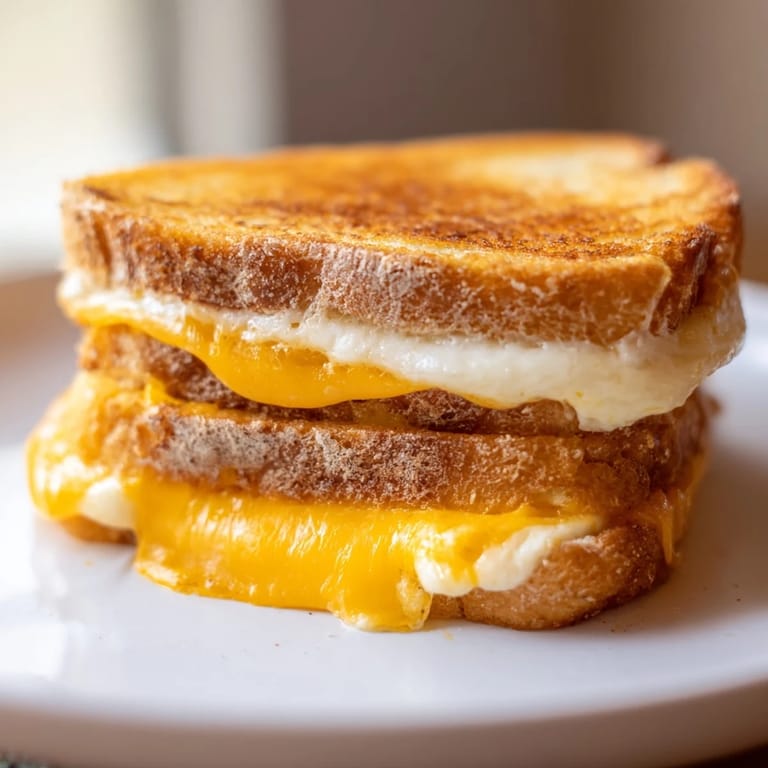
 There's something almost scientific about the moment mayo hits a hot skillet—it doesn't just soften like butter does, it spreads out and browns with this even, golden intensity that butter can never quite match. I discovered this by accident one Tuesday when I was out of butter and grabbed the mayo jar instead, half-convinced I was ruining lunch. The sandwich that came out was so perfectly crispy on the outside and impossibly creamy on the inside that I've never looked back.
I made this for my roommate on a rainy afternoon when she came home stressed about work, and she actually stopped mid-bite and said, "Wait, what is this?" When I told her mayo instead of butter, she didn't believe me until I showed her the jar. We ate both sandwiches in comfortable silence while it rained outside, and that's when I realized this simple sandwich had become my secret weapon for turning someone's day around.
Ingredients
- Bread: Use white for pure comfort or sourdough for a slightly tangy contrast—either way, thicker slices (like bakery bread) hold up better to the heat and stay chewy inside.
- Cheddar cheese: Four slices give you that perfect melt, but honestly, any cheese that melts smoothly will work—Gruyère gets fancy, Monterey Jack stays mild and buttery.
- Mayonnaise: Two and a half tablespoons is the sweet spot; it sounds like a lot but it's what creates that even browning and the creamy interior everyone asks about.
- Dijon mustard: Just a teaspoon on each sandwich if you want it—it adds a subtle sharpness that makes the cheese taste even richer without being obvious.
Tired of Takeout? 🥡
Get 10 meals you can make faster than delivery arrives. Seriously.
One email. No spam. Unsubscribe anytime.
Instructions
- Gather and prep your bread:
- Lay out all four slices on a cutting board or clean surface so you can work quickly once the skillet is hot.
- Apply the mayo generously:
- Spread about half a tablespoon on one side of each slice—you want an even layer that covers the whole surface, not just dollops in the middle.
- Add mustard if you're using it:
- On two slices (the insides), add a thin stripe of Dijon mustard for a subtle flavor boost that only shows up if people know to look for it.
- Build your sandwich:
- Put two cheese slices between two bread slices with the mayo-covered sides facing out—this is the key to the whole thing working, so double-check before it hits the pan.
- Heat your skillet low and slow:
- Medium-low heat is crucial here; mayo browns faster than butter, so if you go too hot you'll get dark edges before the cheese melts.
- Cook the first side:
- Place the sandwich mayo-side down in the skillet and listen for that gentle sizzle—you want it active but not aggressive, about 3 to 4 minutes until the bottom is golden and crispy.
- Flip with confidence:
- Use a spatula and flip gently so you don't splash hot mayo; the second side needs the same 3 to 4 minutes, and press very lightly with your spatula just to encourage the cheese to melt faster.
- Rest and serve:
- Take the sandwiches off heat and let them sit for a minute so the cheese sets slightly and the bread cools enough to handle without burning your mouth.
 Save to Pinterest
 There was this moment when my eight-year-old nephew took one bite and declared it "the best grilled cheese in the universe," and then he asked if I'd made some kind of special cheese. I just smiled and didn't tell him it was mostly about the mayo trick—sometimes the best thing you can do is let someone enjoy the magic without explaining how it works.
Why Mayo Works Better Than You'd Think
Mayonnaise is basically oil and eggs, which means it browns more evenly and at a lower temperature than butter, creating a crust that's golden all over instead of spotty and uneven. It also has a slightly higher smoke point than butter in the context of a quick pan cook, so you get that restaurant-quality browning without the stress of babysitting the pan. The emulsifiers in mayo also help it stick to the bread better, so you get more surface contact with the skillet, which means better heat transfer and a crisper exterior.
Cheese Selection Changes Everything
I used to think all melting cheeses were created equal until I made this sandwich with aged cheddar instead of the mild stuff, and it completely changed how I thought about grilled cheese. The sharper the cheese, the more complex the whole sandwich tastes, but you have to balance it with milder cheese if you prefer something creamy and comforting. The point is, don't just grab whatever's on sale—spend 30 seconds thinking about what cheese you actually like eating, because that's the star of this show.
Variations That Actually Work
Once you master the basic version, this sandwich becomes a canvas for anything you want to add—I've done it with thin tomato slices (pat them dry first so they don't make the bread soggy), crispy bacon, caramelized onions, or even a thin smear of pesto if I'm feeling fancy. The key is not overloading it; stick to one or two additions so the bread doesn't become too thick to cook through evenly.
- Always pat wet ingredients like tomatoes completely dry with a paper towel before building the sandwich.
- Add any extras between the cheese layers so they warm without making the bread soggy.
- If you're adding something that's already cooked (like bacon or caramelized onions), you don't need to add extra time to the pan.
 Save to Pinterest
 This is the kind of sandwich that reminds you why simple food, made with just a little thought, can be absolutely perfect. Serve it with tomato soup or just eat it standing in the kitchen while it's still warm, because that's when it's really at its best.
Questions & Answers
- → Why use mayonnaise instead of butter?
Mayonnaise promotes even browning and creates a crispy crust while keeping the interior moist and creamy.
- → Can I use different types of bread?
Yes, white or sourdough bread works well, and gluten-free bread can be used for dietary needs.
- → What cheeses melt best for this sandwich?
Cheddar is classic, but Monterey Jack, Gruyère, or mozzarella provide excellent melting qualities.
- → How to avoid burning the crust?
Cook the sandwich on medium-low heat and press gently with a spatula for even browning without burning.
- → Can I add other flavors?
Adding Dijon mustard, sliced tomatoes, caramelized onions, or crispy bacon enhances flavor complexity.