 Save to Pinterest
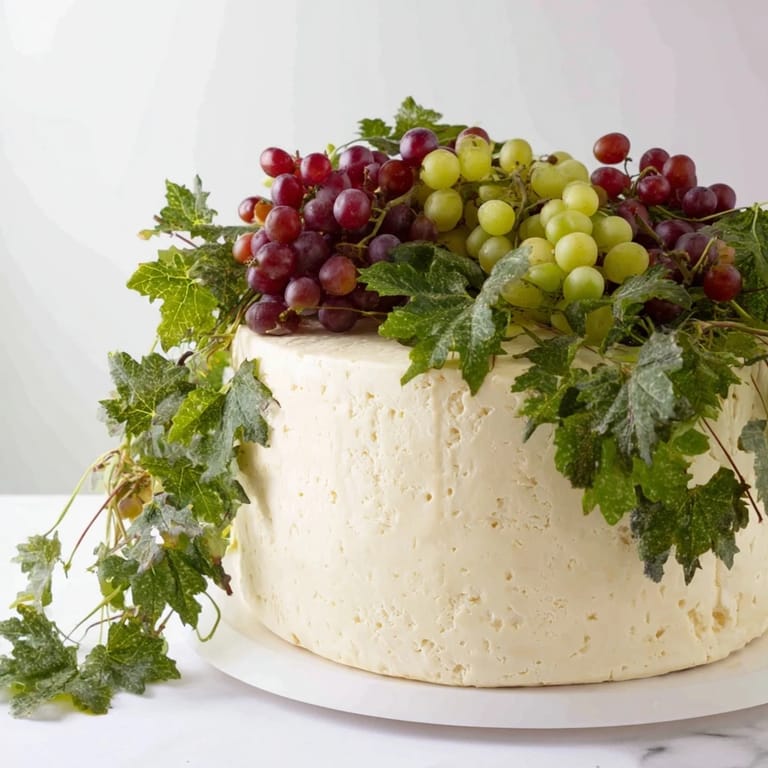
 I discovered this presentation at a small vineyard gathering where a local cheesemaker had simply draped grapevines across her wheels of fresh cheese, and the whole table went quiet for a moment before someone said it looked too beautiful to eat. That moment stuck with me—the way natural ingredients could tell their own story without fussy arrangements. Now whenever I make this, I think about how the best dishes sometimes need the least intervention, just thoughtful hands and good instincts.
The first time I actually made this for people, I was nervous about the emptiness of it—just cheese and vines, really. But my neighbor took one look and asked if she could photograph it before we ate, and suddenly everyone else was doing the same thing. That's when I realized this dish works because it doesn't apologize for being simple; it celebrates it.
Ingredients
- 2 large wheels of young, rustic cheese (about 1.5 kg each): Look for tomme, young pecorino, or farmhouse varieties with natural rinds that show character—these are the kind that improve with a few days in your fridge and reward you with better flavor.
- 3–4 long, untreated grapevine branches with leaves: Wash and dry these completely; they're your sculpture, so pick ones with intact leaves and interesting curves that will drape naturally.
- 500 g fresh grapes on the stem if possible: Leave them clustered because that's where they belong, and they'll catch light in a way single grapes never will.
- 1 baguette or rustic country bread, sliced: Cut it thick enough that it won't disappear into nothing, and let it sit for a few minutes so it's still tender inside but won't seem too soft.
- 100 g assorted nuts (walnuts, almonds) and 100 g dried fruits (figs, apricots): These are optional but they add texture and sweetness, small anchors that round out the saltiness of the cheese.
Tired of Takeout? 🥡
Get 10 meals you can make faster than delivery arrives. Seriously.
One email. No spam. Unsubscribe anytime.
Instructions
- Build your foundation:
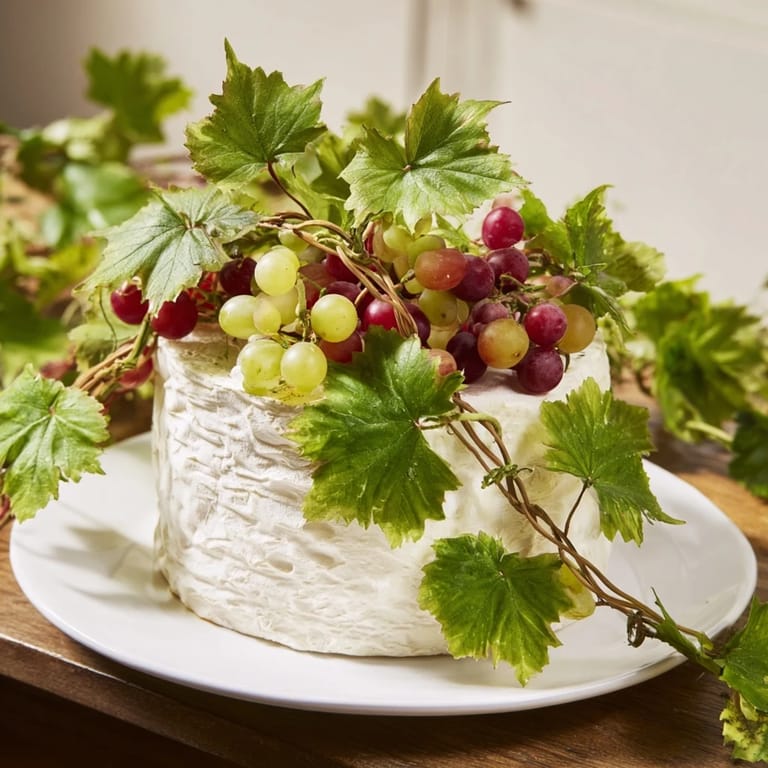
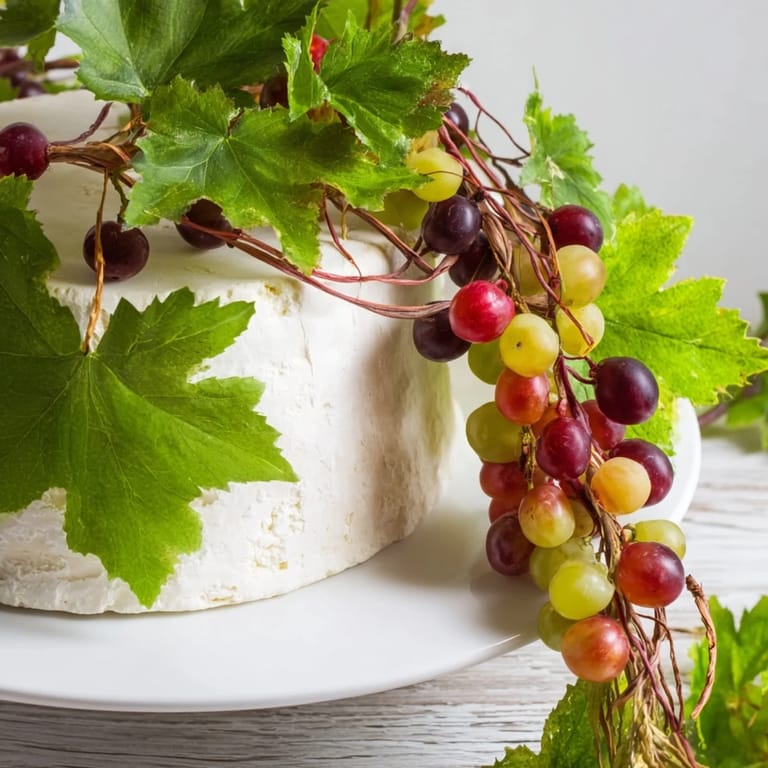
- Lay the grapevine branches across the cheese wheels on a large wooden board, letting them drape and twist naturally as if they've just landed there. This isn't about perfection—it's about capturing that wild, vineyard feeling where nature does most of the work.
- Nestle the grapes:
- Tuck clusters of fresh grapes into the spaces between vines and around the cheese wheels, using them like color notes in a painting. You'll find they settle into the curves beautifully if you don't force them.
- Fill the quiet spaces:
- Arrange bread slices and optional nuts and dried fruits in small piles around the edges, leaving room for people to move things around as they eat. This board is meant to be dismantled slowly, piece by piece.
- Serve and invite:
- Bring it out at room temperature and let people cut their own cheese, pairing it with grapes and bread as they go. The best part is watching how everyone builds their own combination.
 Save to Pinterest
 The memory I hold onto most is my grandmother trying a piece of cheese from this board at a dinner party and saying it tasted better than it had any right to, and when I asked why, she said it was because of the grapevines—they reminded her hands of working in her father's vineyard, and somehow that joy got into her mouth. Food isn't always about flavor.
Why This Works as a Centerpiece
This isn't a recipe that demands your attention or technical skill; it works because it's honest. The grapevines aren't there to hide anything—they're there to say that good cheese doesn't need gilding, and fresh grapes taste like themselves. The wooden board becomes secondary to what's on it, and that simplicity is what makes people linger around it longer than they planned.
Timing and Seasons
I make this dish most in late summer and early autumn when grapes are at their peak and local farmers have just finished their harvest. There's something about serving this at the tail end of abundance that feels right, like you're celebrating the year's work rather than rushing toward the next season. Winter versions work too, with dried grapes or preserved fruits tucked among the vines.
Small Details That Matter
The way a cheese looks on the board will change depending on where the light hits it. I sometimes lightly drizzle the wheels with good local honey or a fragrant olive oil just before serving, which catches the light and makes everything shimmer. This board pairs beautifully with crisp white wines or light reds, and the combination of textures—soft cheese, bitter greens if you include them, sweet grapes—makes every bite feel intentional.
- If the vines seem too stiff after drying, let them sit in a cool room for a few hours until they become more pliable.
- Serve the cheese at room temperature so it's soft enough to cut cleanly but still holds its shape on the board.
- Don't be afraid to rearrange things as the board gets eaten—it tells a story of the meal in progress.
 Save to Pinterest
 This board is less about following steps and more about trusting what looks right to your eye. The best ones I've made are the ones where I stopped overthinking and just let the ingredients speak for themselves.
Questions & Answers
- → What types of cheese work best for this arrangement?
Young, rustic cheeses such as tomme, young pecorino, or farmhouse cheese with firm texture and mild flavor create the ideal base.
- → Can grape leaves replace grapevine branches?
Yes, grape leaves can be used if untreated grapevine branches are unavailable, maintaining a similar fresh visual effect.
- → How should the grapes be prepared?
Use fresh grapes left on the stem if possible, washed and gently dried to preserve freshness and color.
- → Are there suggested accompaniments to serve alongside?
Sliced rustic bread, assorted nuts like walnuts or almonds, and dried fruits such as figs or apricots complement the centerpiece well.
- → What is the best way to serve this dish?
Arrange on a large wooden board and serve at room temperature to highlight natural aromas and flavors for sharing.
- → Can this centerpiece be paired with drinks?
It pairs beautifully with crisp white wines or light red varieties, enhancing the rustic vineyard theme.