 Save to Pinterest
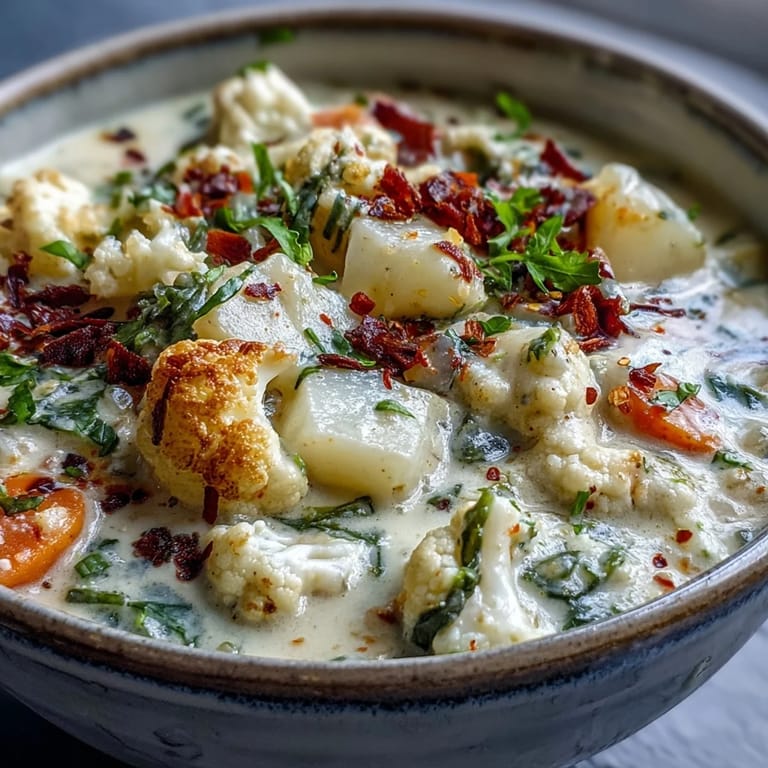
 I stumbled upon this cauliflower chowder recipe during a particularly cold November when the farmers market had mountains of cauliflower selling for next to nothing. My kitchen windows were fogged from the steam as the vegetables softened in the pot, creating this amazing aroma that mixed with the slight chill coming through the old window frames. What started as a practical solution for surplus produce quickly became my go-to comfort meal that even my vegetable-skeptical brother requests when he visits.
Last winter when my friend Lisa was recovering from surgery, I brought over a container of this chowder and watched her face light up with the first spoonful. She called me three days later asking for the recipe, saying she had been thinking about it constantly. We ended up having an impromptu cooking session over video chat where I talked her through making her first batch, laughing as she dramatically narrated her cauliflower chopping technique.
Ingredients
- Cauliflower: Look for firm heads with tight florets and no brown spots, as fresher cauliflower gives a sweeter flavor that forms the backbone of this chowder.
- Smoked Paprika: This single ingredient transforms the vegetarian soup from basic to complex, adding a subtle smoky depth that makes people wonder what your secret ingredient is.
- Potatoes: Yukon golds are my preference since they break down partially during cooking, naturally thickening the soup without needing much flour.
- Vegetable Broth: If using store-bought, try to find a low-sodium version so you can control the saltiness yourself, especially since youll be reducing the liquid during cooking.
- Flour: Just two tablespoons creates the perfect consistency without making the soup gloopy or flour-tasting, a mistake I made many times before getting it right.
Tired of Takeout? 🥡
Get 10 meals you can make faster than delivery arrives. Seriously.
One email. No spam. Unsubscribe anytime.
Instructions
- Build the flavor base:
- Heat your oil or butter until it shimmers slightly, then add your diced onion, carrot, and celery. The kitchen should fill with that wonderful aromatic smell as they soften and begin to release their flavors.
- Create the roux:
- When you sprinkle the flour over the sautéed vegetables, keep stirring continuously so it coats everything evenly without clumping. The mixture will look a bit paste-like, but this brief cooking prevents any raw flour taste.
- Add liquids carefully:
- Pour the broth in gradually while whisking, making those circular motions to incorporate everything smoothly. This patience prevents those frustrating flour lumps that are so hard to fix later.
- Simmer with intention:
- Keep the heat low enough that youre seeing gentle bubbles, not a rolling boil. This slower cooking allows the vegetables to release their flavors while maintaining their integrity.
- Find your perfect texture:
- When blending, start with just a few pulses and check the consistency before continuing. I prefer leaving about half the vegetables intact for a more interesting texture and visual appeal.
 Save to Pinterest
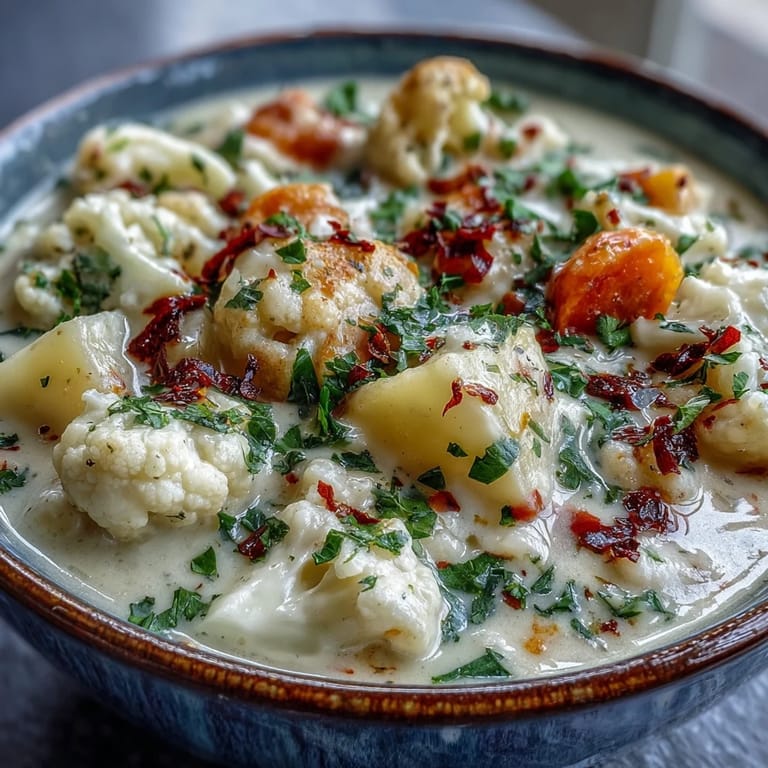
 One particularly meaningful moment with this chowder came during a neighborhood power outage last winter. We had a gas stove, so I made a huge pot and invited neighbors over who had no way to cook. Watching everyone gather around our dining table, sharing stories by candlelight while warming up with steaming bowls of this chowder, transformed a potentially stressful situation into one of those unexpectedly perfect evenings that stay with you.
Storage and Reheating
This chowder actually improves after a day in the refrigerator as the flavors meld together, making it perfect for meal prep. When reheating, do it gently over medium-low heat, stirring occasionally to prevent the bottom from scorching. If it seems too thick after refrigeration, simply add a splash of milk or broth to bring it back to your desired consistency.
Make It Your Own
The basic recipe is wonderfully adaptable to whatever you have on hand. Ive made it with sweet potatoes instead of regular potatoes for a slightly sweeter version. For a protein boost, white beans blend seamlessly into the creamy background, and corn kernels add pops of sweetness and color that brighten up the whole dish.
Serving Suggestions
While this chowder is certainly satisfying on its own, pairing it with accompaniments elevates the whole experience.
- A slice of crusty sourdough bread with butter is perfect for dunking and capturing every last drop from your bowl.
- For a complete meal, serve with a simple side salad dressed with a bright vinaigrette to balance the richness of the chowder.
- If youre feeling indulgent, a small handful of crispy bacon bits or roasted chickpeas on top adds wonderful textural contrast.
 Save to Pinterest
 This cauliflower chowder has become more than just a recipe in my collection, its become a solution for so many situations from busy weeknights to entertaining guests. I hope it brings the same comfort and satisfaction to your table as it has to mine.
Questions & Answers
- → Can I make this cauliflower chowder vegan?
Absolutely. Substitute whole milk with unsweetened almond, oat, or soy milk. Swap butter for olive oil or vegan butter. The texture remains creamy and satisfying without any dairy products.
- → How do I store leftovers?
Store cooled chowder in an airtight container in the refrigerator for up to 4 days. The flavors actually deepen and improve overnight. Reheat gently on the stove, adding a splash of milk if needed to restore consistency.
- → Can I freeze this chowder?
Yes, freeze for up to 3 months. Cool completely before transferring to freezer-safe containers. Thaw overnight in the refrigerator, then reheat on the stove. The texture may separate slightly but whisking while reheating brings it back together.
- → What vegetables work well in this chowder?
Beyond cauliflower and potatoes, try adding corn kernels, bell peppers, or zucchini during summer. For winter versions, swap in butternut squash or parsnips. Keep total vegetable quantity similar for best results.
- → How can I make it thicker?
Mash some potatoes against the pot's side while simmering, or blend more of the chowder. Adding an extra tablespoon of flour during the roux step also creates a heartier consistency. For a lighter version, skip the blending.
- → What protein can I add?
Stir in white beans, chickpeas, or cubed tofu during the last 10 minutes of cooking. Shredded chicken or cooked bacon work well if you're not keeping it vegetarian. Add pre-cooked proteins to avoid overcooking.