 Save to Pinterest
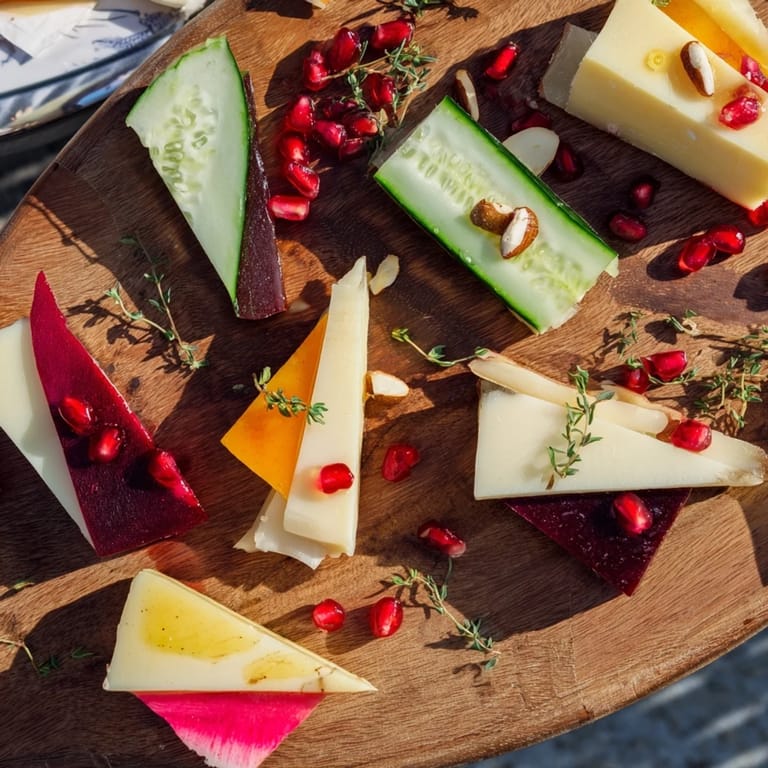
 I'll never forget the moment I first tried to arrange a charcuterie board for a dinner party and realized halfway through that I'd created this chaotic mess of colors and shapes. That night, everything changed when I discovered the magic of tessellation—cutting every ingredient into perfect triangles and watching them lock together like an edible puzzle. It transformed what could have been haphazard into something that felt almost architectural, and my guests couldn't believe I'd made something so visually stunning. Now, this Tessellation Triangle board is my secret weapon for entertaining.
I made this for my sister's art opening last spring, and watching her face light up when she saw the interlocking triangles covering the entire board was worth every minute of careful slicing. Someone actually asked if I'd had it specially catered. It became the thing people talked about more than the artwork itself—which probably shouldn't have been funny, but it absolutely was.
Ingredients
- Aged cheddar, 100 g, sliced into triangles: The sharp bite anchors your board and its golden color provides natural contrast. I learned to slice it when it's slightly cold—it cuts cleaner and the edges stay sharp.
- Manchego, 100 g, sliced into triangles: This Spanish cheese brings a subtle nuttiness that bridges between your sharp and creamy cheeses. It's firm enough to hold perfect triangle shapes.
- Goat cheese, 100 g, chilled and cut into triangles: The creamy counterpoint that makes people pause and taste it twice. Chilling it until it's almost firm helps you cut clean triangles instead of getting stuck with crumbles.
- Cucumber, 1 medium, peeled and sliced into thin triangles: Brings freshness and acts as a palate cleanser between cheese bites. The peeling is worth the effort—it shows intentionality and the white flesh photographs beautifully.
- Red bell pepper, 1 large, seeded and cut into triangles: Pure color and sweetness. The geometric cuts make it feel more sophisticated than typical pepper slices.
- Beet, 1 small, cooked and sliced into very thin triangles: The deep magenta creates drama in your pattern. Slice it paper-thin so it drapes slightly—this adds dimension to your tessellation.
- Pear, 1 large, cored and sliced into thin triangles: Brings subtle sweetness and a delicate texture that contrasts beautifully with harder cheeses. Slice just before arranging so it stays pale and fresh-looking.
- Seedless watermelon, 1/2 cup, cut into small triangles: A surprise element that adds juicy sweetness and unexpected geometry to your pattern.
- Whole grain crackers, 100 g, cut into triangles if needed: Creates textural contrast and gives guests something substantial to build on if they want a fuller bite.
- Roasted almonds, 1/4 cup: Fill the tiny inevitable gaps in your tessellation with these—they add crunch and feel intentional rather than like you're covering mistakes.
- Pomegranate seeds, 1/4 cup: These jewel-like garnishes work double duty: they fill small spaces and provide pops of color that make your pattern seem even more intricate.
- Honey, 2 tbsp (optional), for drizzling: A light drizzle over the goat cheese triangles adds a touch of sophistication and a hint of floral sweetness.
- Fresh herbs, thyme or mint, for garnish: The final detail that says you care. A few small sprigs scattered across your finished board elevate it from impressive to restaurant-quality.
Tired of Takeout? 🥡
Get 10 meals you can make faster than delivery arrives. Seriously.
One email. No spam. Unsubscribe anytime.
Instructions
- Prep your canvas:
- Start with a clean, large wooden board or platter as your base. The size matters more than you'd think—you want enough room to really showcase your pattern without cramped triangles. I like to wipe mine with a barely damp cloth first, then let it dry completely so your pieces don't slip as you arrange them.
- Cut with intention:
- This is where patience pays off. Carefully cut all cheeses, vegetables, fruits, and crackers into similar-sized triangles—aim for roughly the same dimensions so they tessellate properly. Use a sharp chef's knife for cheese and vegetables, and a mandoline if you have one for paper-thin slices like beets and pears. The uniformity is what transforms this from a regular board into a geometric masterpiece.
- Begin your pattern from one corner:
- Start laying triangles from one corner of the board, alternating colors and textures as you go. Think of it like playing Tetris where you're building outward and downward. Fit each piece tightly against its neighbors to minimize gaps—this is the satisfying part where you see the pattern actually come together.
- Build the tessellation across the entire board:
- Keep going with your interlocking triangles, adjusting colors and textures as you work to create visual flow. Step back occasionally to see if you're creating a balanced pattern or if one area needs more contrast. Trust your instincts about what colors look good next to each other.
- Fill the inevitable gaps:
- No matter how careful you are, small gaps will appear. This is where pomegranate seeds and roasted almonds become your best friends. Scatter them into the tiny spaces—they feel like an intentional design choice, not a cover-up.
- Add the finishing touches:
- If you're using honey, drizzle it lightly over the goat cheese triangles—just enough to catch the light and add a subtle sheen. Scatter fresh herb sprigs across the board in a few strategic places for color and aroma. Serve immediately so everything is at its freshest.
 Save to Pinterest
 At my friend's wedding shower last year, I brought this board as my contribution and I'm fairly certain it was the moment people stopped asking me for my famous brownies and started asking me to bring my boards to everything. It was the first time I realized that beautiful food, arranged with thought and care, becomes a memory—not just fuel.
The Tessellation Technique
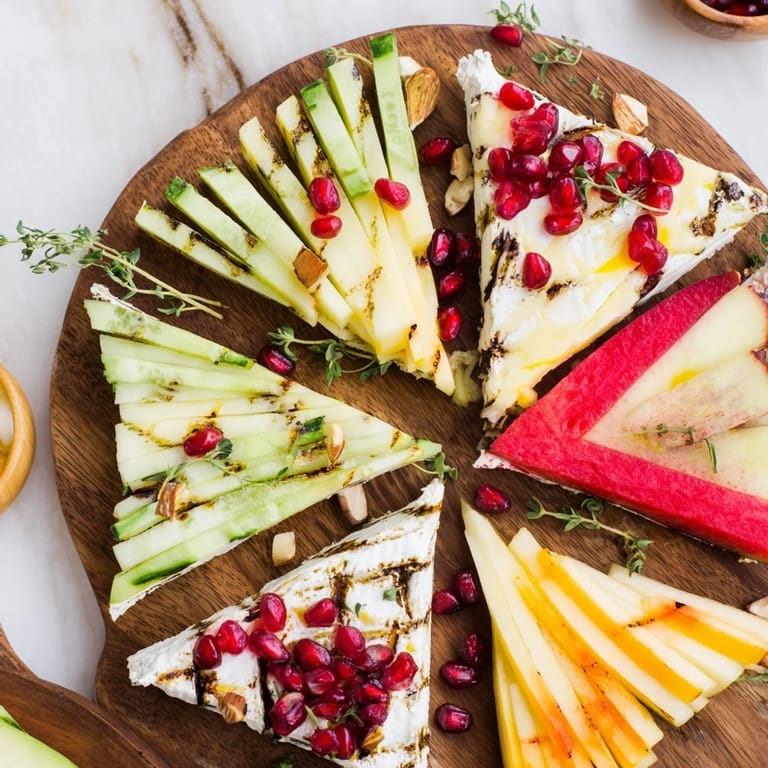
The real magic isn't in any single ingredient—it's in understanding how geometric shapes fit together. When I first tried this concept, I was skeptical that cutting everything into triangles would actually make a difference. But it does. There's something about the interlocking edges that makes the board feel curated and intentional. It also surprisingly makes guests feel more comfortable taking pieces because the pattern is obvious—they know exactly where to pull from without disrupting everything else. The triangle shape also means you get a perfect ratio of each ingredient in every bite, if you're the type of person who enjoys that kind of thing.
Playing with Color and Contrast
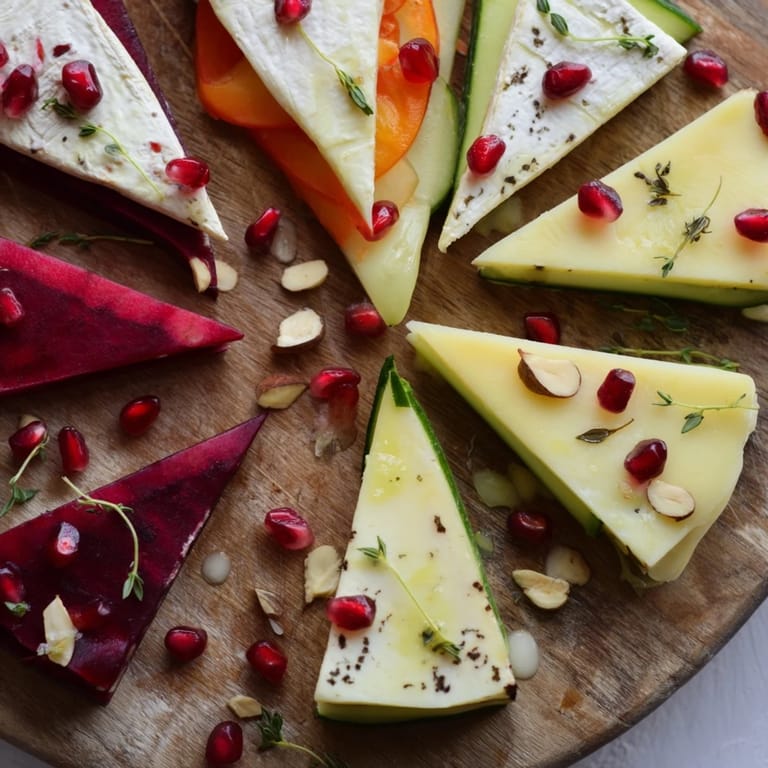
One of my favorite discoveries with this board is realizing that color sequencing matters as much as ingredient selection. I used to just grab whatever looked good, but now I think about color progression the way you might think about a sunset. The pale pear triangles next to the deep red of the beets, with bright yellow cheddar peeking through—it creates this visual flow that makes people actually pause before eating. A monochromatic board feels flat; one with intentional color variety feels like edible art.
Making It Your Own
The beauty of this board is that it's completely adaptable to what you have on hand or what your guests prefer. I've made vegan versions using plant-based cheeses that slice beautifully, and I've added prosciutto and spicy salami cut into triangles for non-vegetarian versions. The geometric structure stays the same, which means you can completely change the flavor profile while keeping the visual impact. I've learned that the template—the tessellation itself—is more important than the specific ingredients, so feel free to swap and experiment.
- Try adding thinly sliced radishes for peppery crunch and shocking pink color.
- Substitute goat cheese with whipped ricotta mixed with herbs for a lighter option.
- Add thin slices of dried apricot or fig for unexpected sweetness and chewiness.
 Save to Pinterest
 This board has changed how I think about entertaining. It's proof that you don't need complicated cooking to impress people—just intention and a little geometric thinking.
Questions & Answers
- → What cheeses work best for the triangle cuts?
Aged cheddar, Manchego, and chilled goat cheese are ideal as they hold their shape well and provide bold flavors.
- → How can I achieve uniform triangle shapes quickly?
Using a sharp knife or mandoline slicer helps create consistent triangles for a flawless tessellation pattern.
- → Can this board be adapted for vegan diets?
Yes, substitute plant-based cheeses and omit honey to suit vegan preferences while maintaining texture diversity.
- → What garnishes enhance the flavor and appearance?
Roasted almonds, pomegranate seeds, a light drizzle of honey, and fresh herbs like thyme or mint add both taste and visual appeal.
- → What drinks pair well with this appetizer board?
Crisp Sauvignon Blanc or sparkling water with citrus complement the fresh and rich flavors effectively.